Air handler drains, summer leaks

AC Condensate Leak Water Damage in Peachtree Corners, GA

An air handler pulls gallons of water out of humid air every summer day. When its drain clogs or its pan rusts, that water lands in a ceiling or closet. The drying team traces it and dries it, 24/7.

(888) 532-4616AC dripping through the ceiling? Trace the drain
24/7 summer leak response Attic and closet air handlers Ceiling and floor moisture mapping
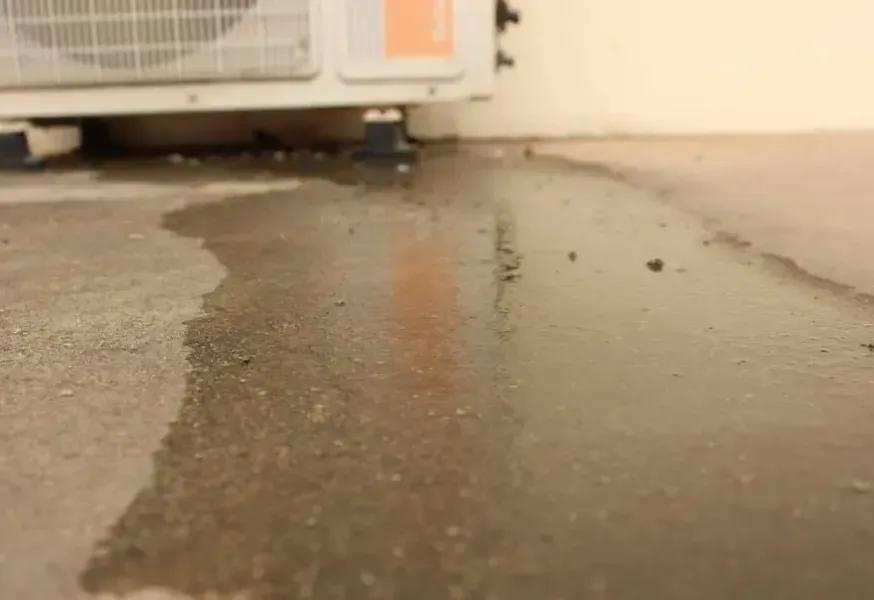
Water spreading over a concrete floor from under an air conditioning unit
Water category1, turning 2 if it sits
Common spotsAttic, hall closet, crawl space
Typical drying3 to 5 days
SeasonLate spring to early fall
Right now

First steps for ac condensate leak water damage in Peachtree Corners

  1. 1

    Turn the system off at the thermostat

    That stops new condensate from forming.

  2. 2

    Check the pan and the drain

    Look for a full pan or water at the unit.

  3. 3

    Move things from under the stain

    Set a bucket and keep clear of a sagging spot.

  4. 4

    Keep the house closed up

    Open windows let humid air in and slow drying.

How the work is held to standard

How ac condensate leak water damage is handled in Peachtree Corners

Dispatch at any hour

Active water is treated as urgent around the clock, nights, weekends and holidays included, because a split pipe keeps running.

IICRC S500 structural drying

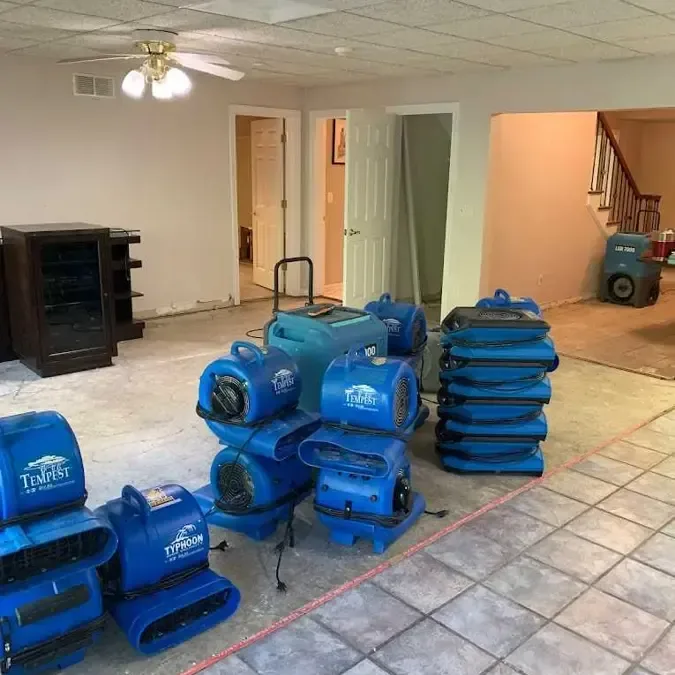
The drying team dries framing, subfloor and concrete, not only the surface, and checks every wet material with meters each day.

A claim-ready file

Moisture maps, daily psychrometric logs and timestamped photos taken before demolition go into the file your insurer reviews.

Basements, crawl spaces, attics

A finished lower level, a dirt crawl space and an attic air handler each dry differently, so the plan starts where the water went.

Typical cost ranges

What does ac condensate leak water damage cost in Peachtree Corners, GA?

AC condensate leak water damage here typically runs $800 to $11,000 or more. A small ceiling spot under an attic unit sits at the low end; an overflow that ran for days into a ceiling, the walls and the flooring below sits at the high end.

Small ceiling spot$800 to $2,500
  • Thermal mapping
  • Bay drying
  • Daily readings
Ceiling and closet$2,500 to $6,000
  • Drywall and insulation removed
  • Subfloor drying
  • Moisture mapping
Long overflow, rooms below$6,000 to $11,000+
  • Walls and flooring affected
  • Category 2 handling
  • Extended drying and logs

Ranges are typical, not a quote: the water category, the square footage that got wet, the material class and how fast drying started move the number most. For a closer planning range, run the water damage cost calculator.

The dry-out, milepost by milepost

The ac condensate leak water damage process, start to dry

Equipment stays until the readings say dry, not until the room looks dry.

  1. MP 1

    Trace

    Unit, pan and drain checked for the overflow.

  2. MP 2

    Map

    Thermal imaging maps the wet ceiling and floor.

  3. MP 3

    Remove

    Soaked drywall and insulation come out.

  4. MP 4

    Dry

    Bays and floors dried to readings.

Why the leak shows up as a ceiling stain

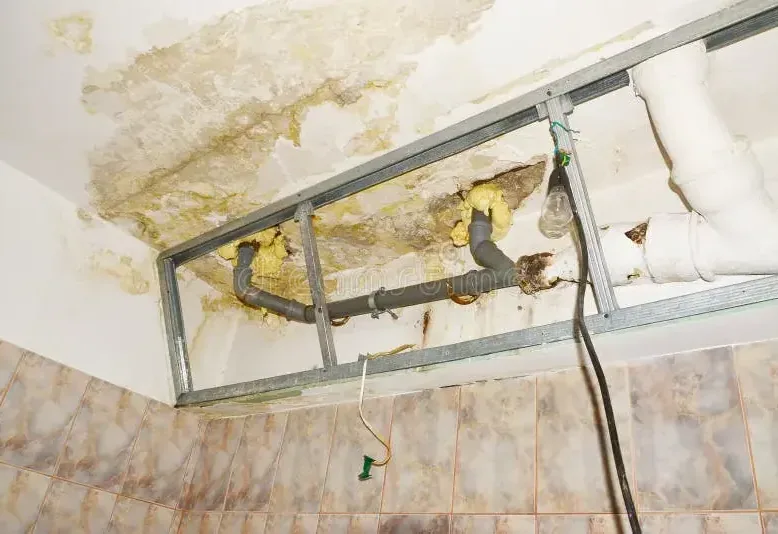
Air handlers in attics sit above finished rooms. A secondary pan and a float switch are meant to catch overflow and shut the system down, but an old pan rusts, a switch gets bypassed, or the secondary drain clogs too. The first sign is often a brown ring on the ceiling under the unit or water dripping from a supply vent.

Closets and crawl spaces

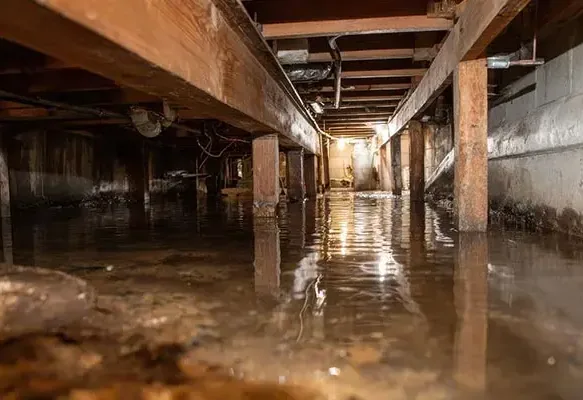
An air handler in a hall closet leaks onto the subfloor and into the carpet of the next room. One in a crawl space drips onto the vapor barrier, where nobody sees it until the floor above feels soft or the house smells damp. Condensate that has sat in a pan is treated as Category 2.

Drying and keeping it from coming back

Wet ceiling drywall and insulation are checked and removed where soaked, and the joist bays are dried with air movers and a dehumidifier. An HVAC technician clears the drain and checks the pan and float switch. Energy Saver covers air conditioner maintenance, and the EPA covers humidity and indoor air.
Questions

AC Condensate Leak Water Damage questions in Peachtree Corners, GA

Why is my air conditioner leaking water?

Most often the condensate drain is clogged with algae or debris, so water backs up and overflows the pan. A rusted pan, a failed condensate pump or a frozen coil can cause it too.

Can an AC leak really damage a ceiling?

Yes. An air handler can produce gallons of condensate on a humid day. When it overflows in the attic, that water soaks insulation and drywall below.

Is AC condensate water clean?

It starts clean, but water that sits in a pan or soaks into materials for days picks up growth and is treated as Category 2.

Should I keep running the AC while it leaks?

No. Turn it off at the thermostat until the drain is cleared, then use fans and dehumidification as directed while the house dries.

Does insurance cover AC leak water damage?

Sudden overflow damage is often covered, but long-term leaks and the HVAC repair itself usually are not. Check your own policy with your insurer.

Still not sure what is wet? Ring on the ceiling under the attic unit? The pan above it is usually the reason.

(888) 532-4616Look above the air handler stain
Service area

Ac condensate leak water damage across Peachtree Corners and the river cities

Peachtree Corners, GA service area

The restoration crew covers ZIP 30092 and the whole city, from Peachtree Station, Chattahoochee Station and Spalding Corners to Technology Park Atlanta, Town Center and the homes off Medlock Bridge Road and Spalding Drive.

The same crews work Norcross, Berkeley Lake, Duluth, Dunwoody, Sandy Springs, Johns Creek, Roswell and Alpharetta.

Every neighborhood and nearby city covered

Emergency water removal

AC overflow soaking the ceiling? Dry it now.

Condensate keeps coming every hour the system runs. The drying team dries the ceiling and floor 24/7 once the drain is cleared.

(888) 532-4616Dry the ceiling under the AC unit
(888) 532-4616 water still spreading?