Water Damage Restoration Milton, GA
Water extraction, structural drying and sewage cleanup for Milton homes, from the Crabapple area and Birmingham Crossroads to the estate lots and horse properties around Arnold Mill Road. Call any hour.
(888) 532-4616Call a water damage pro nowMilton covers the northern tip of Fulton County, and the response team scopes each job by what the water touched.
Fourteen water services for local homes and businesses
From a split supply hose to a backed-up drain, the extraction crew follows one routine: stop the source, pull out standing water, then dry everything it reached.
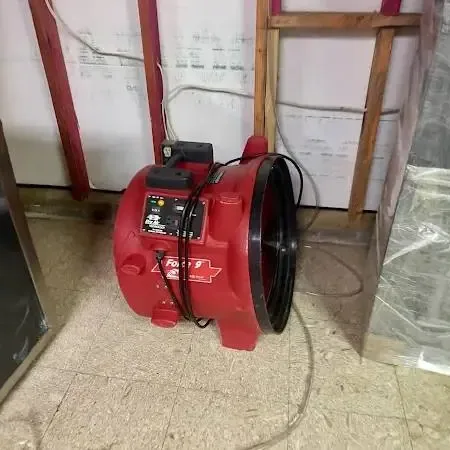
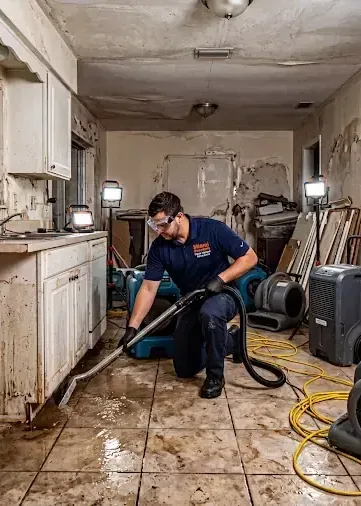 Water Extraction and RemovalPumps and wands pull standing water off floors and carpet before it can wick into framing.See the service
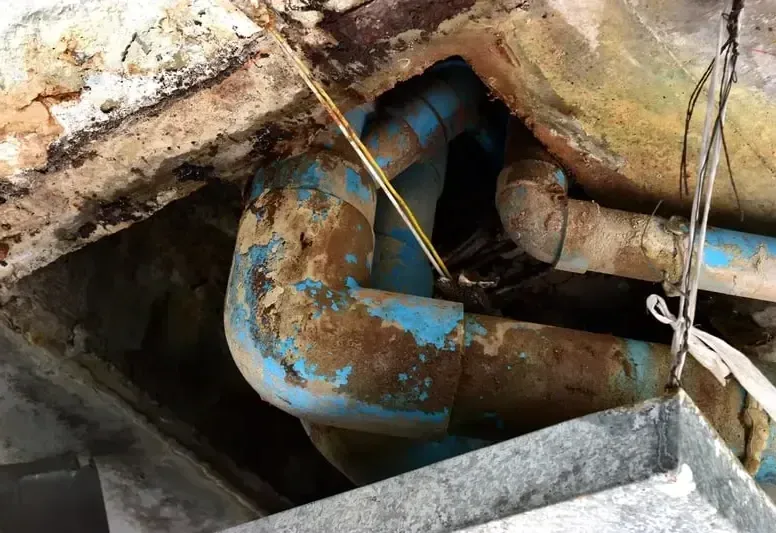 Burst Pipe Water DamageA burst pipe floods fast. The team shuts off the supply, extracts, and opens wet walls.See the service
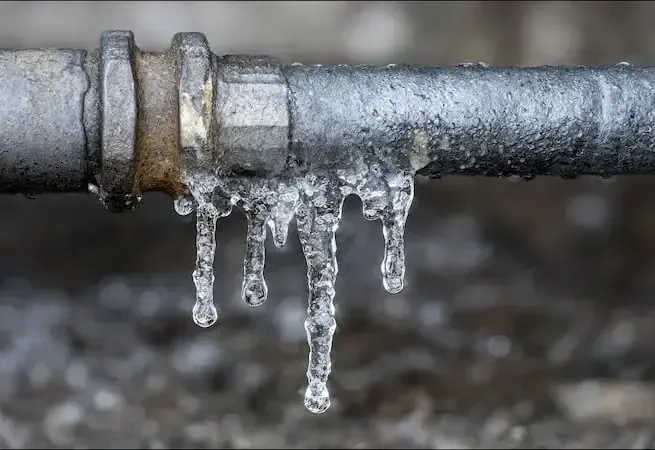 Frozen Pipe Water DamagePipes that split in a hard freeze often soak walls and ceilings out of sight until the thaw.See the service
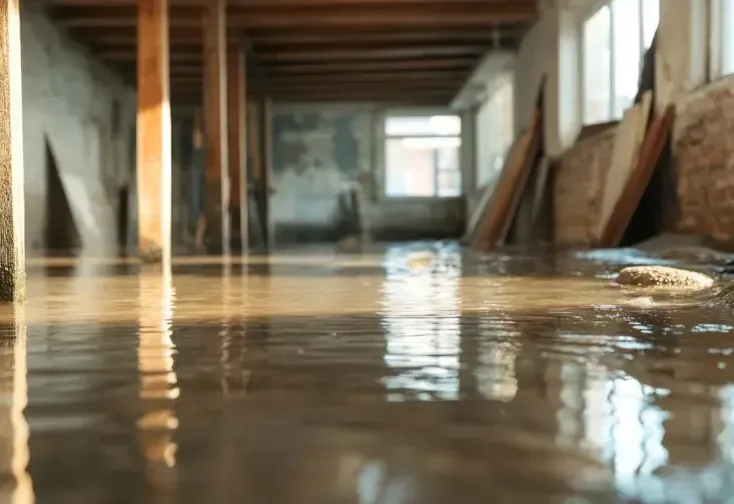 Basement Flooding CleanupWater in a lower level is pumped out, then carpet, drywall and framing get checked and dried.See the service
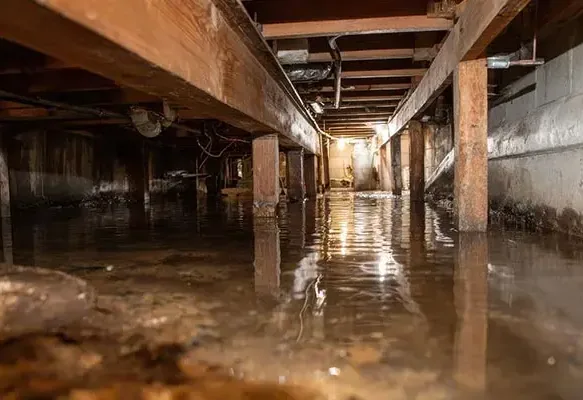 Crawl Space Water RemovalWater under the floor is pumped out and joists, subfloor and insulation are dried before dampness spreads.See the service
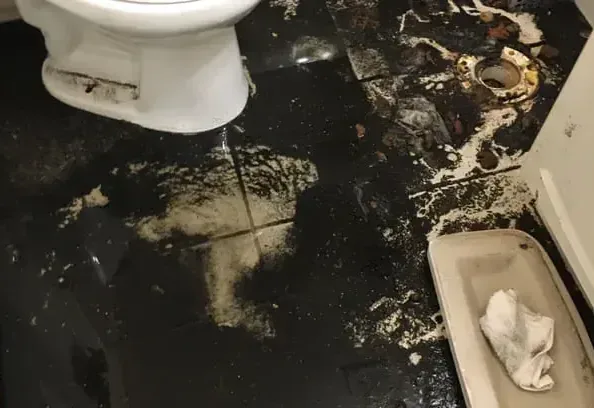 Sewage Backup CleanupA sewage backup is contaminated water, so the crew removes it, disinfects surfaces and discards porous materials.See the service
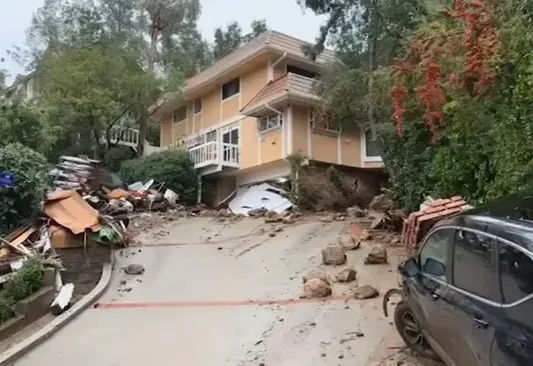 Storm and Creek Flood CleanupRunoff and rising water carry mud and debris indoors. Cleanup removes both, then dries the structure.See the service
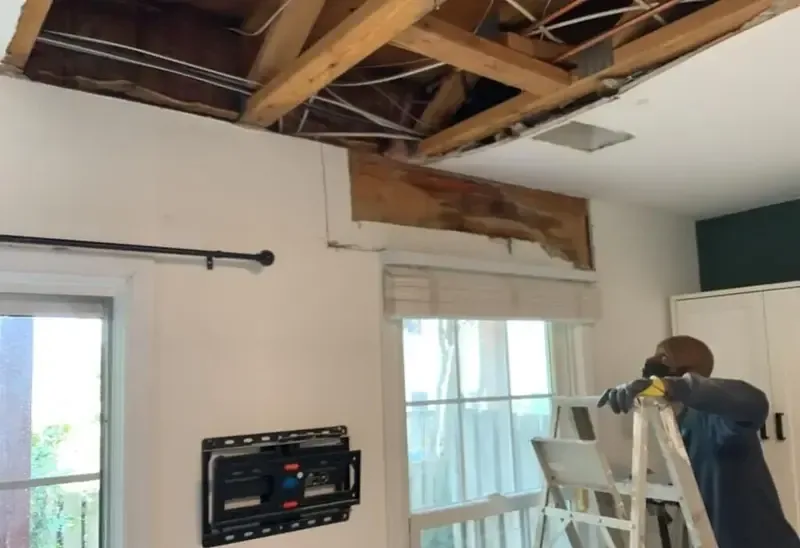 Roof Leak Water DamageRain through a roof wets attic insulation first, then the ceilings and walls below.See the service
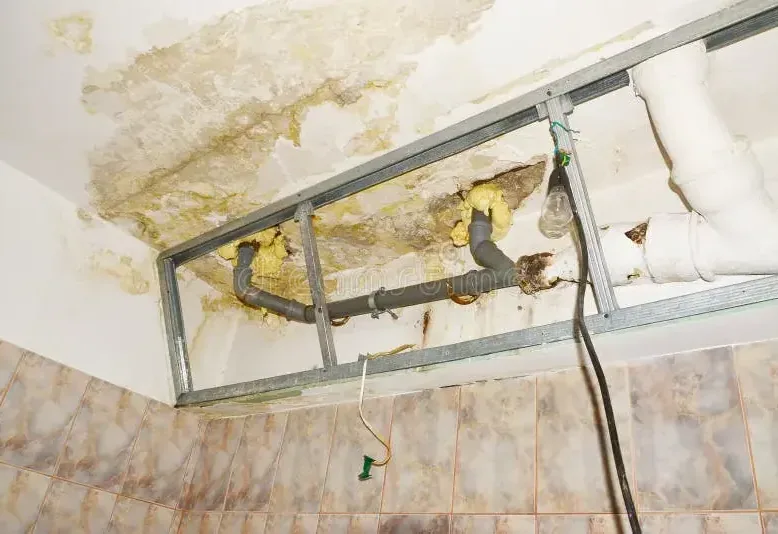 Ceiling Leak Water DamageA stained or sagging ceiling means trapped water above, so the section is opened and dried.See the service
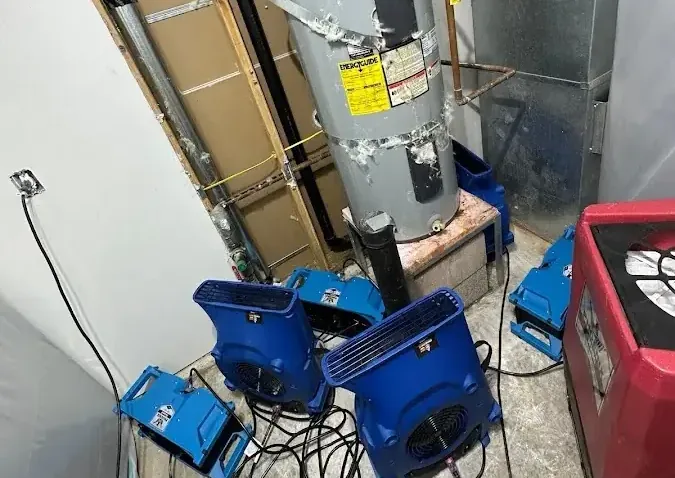
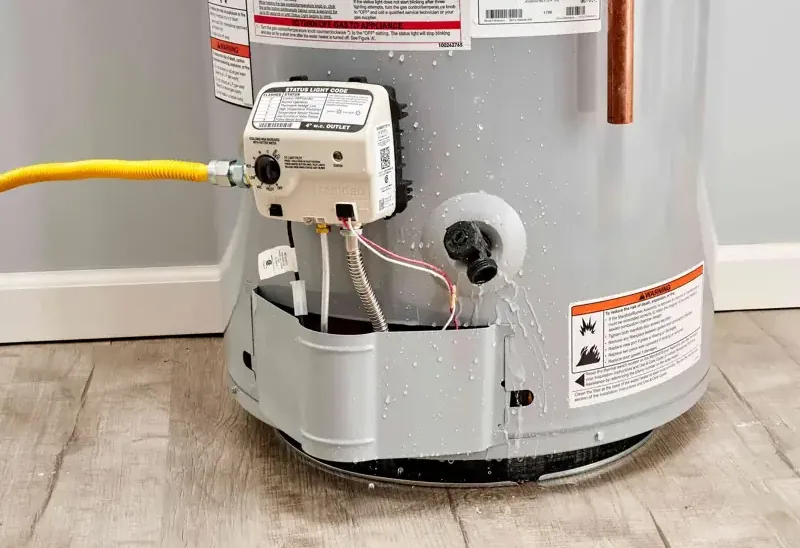 Water Heater Leak CleanupA leaking tank soaks a closet, garage or attic fast. Valve off, water out, then drying.See the service
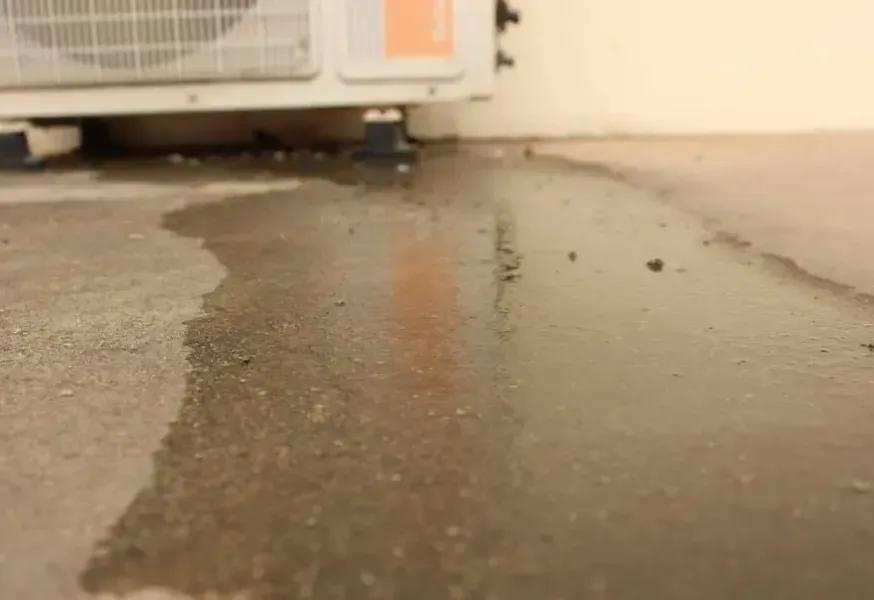 AC Condensate Leak Water DamageA clogged condensate drain can overflow quietly, wetting a ceiling, wall or attic floor before anyone notices.See the service
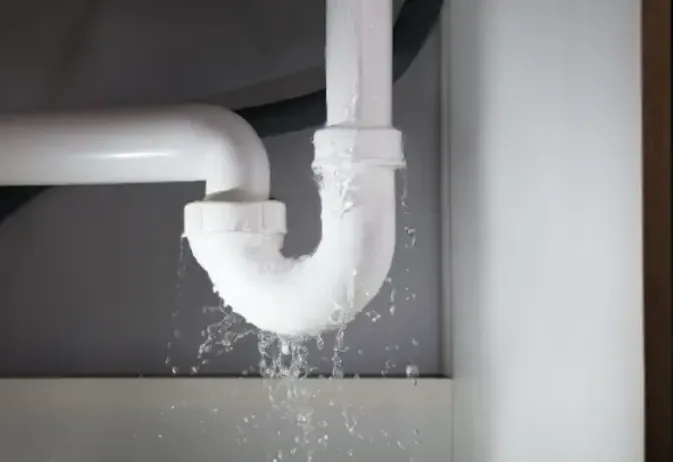 Appliance and Supply Hose LeaksDishwasher, washer and ice maker leaks seep under cabinets and floors, so moisture readings find the spread.See the service
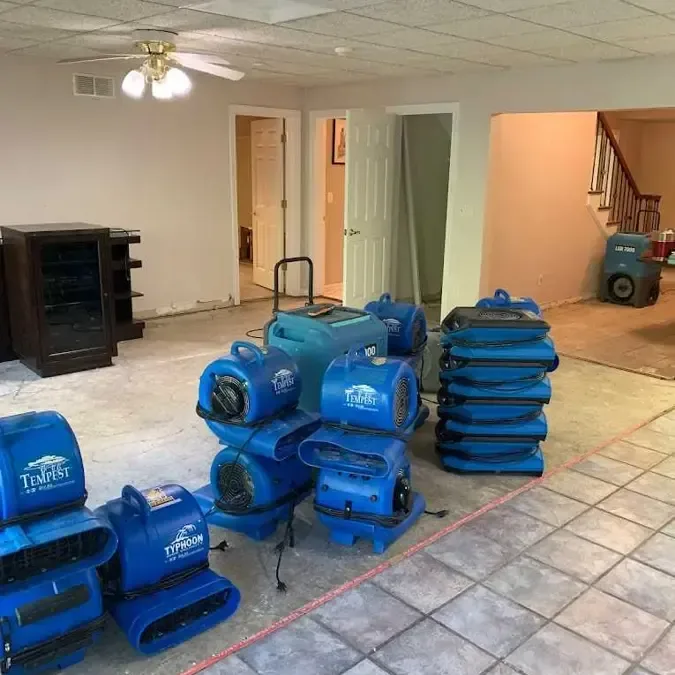 Structural Drying and DehumidificationAir movers and dehumidifiers dry framing, subfloors and walls, with moisture readings deciding when to stop.See the service
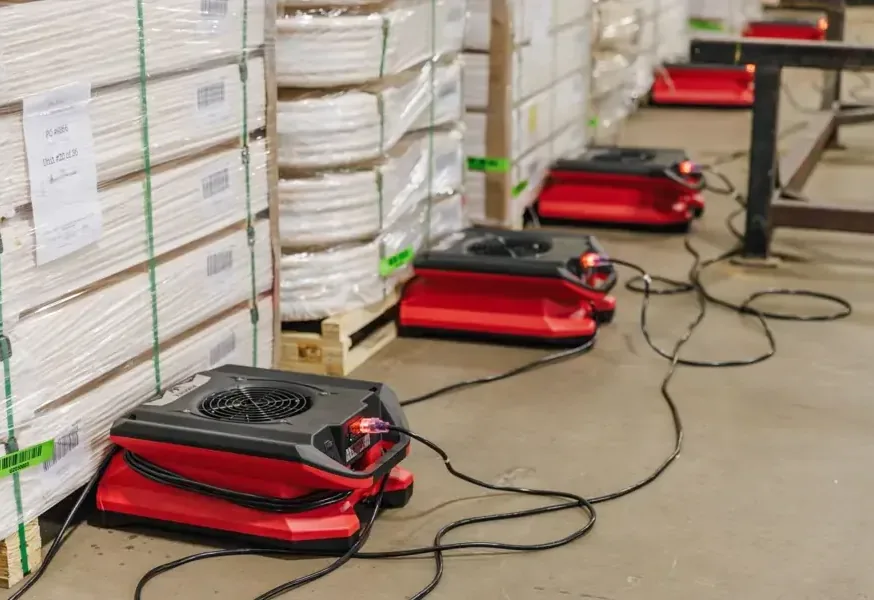 Commercial Water DamageShops and offices in commercial areas such as Birmingham Crossroads get phased drying that limits downtime.See the service
What to do right after water gets in
- 1
Stop the water
Close the main shutoff, usually in the garage or basement behind an outdoor faucet, or outside below one.
- 2
Check the meter
A leak indicator dial that keeps moving with every fixture off means a leak is likely somewhere.
- 3
Kill power to wet rooms
Switch off breakers serving soaked areas and stay out of standing water near outlets or appliances.
- 4
Photograph everything
Take wide and close photos of each wet room and damaged item before anything gets moved.
- 5
Call for extraction
Once the source is stopped, call any hour so drying starts while more materials can still be saved.
Four things every dry-out gets
Extraction first
Standing water comes out before drying equipment is set, because drying materials that are still sitting in water wastes days.
Readings over guesses
Moisture meters and thermal imaging map wet framing and drywall, so only material that cannot dry is cut out.
Water and sewage only
The crew handles only water and sewage losses, so methods, equipment and chemistry stay matched to the job.
Plain cost ranges
Printed price ranges show where a loss usually lands before anyone signs a work authorization or approves equipment.
Dried to a measured standard, not a guess
The drying team works from the IICRC S500 water damage standard, logging moisture readings at each visit until framing and finishes match a dry reference taken from unaffected parts of the home.
- MP 1
Inspect and map
Moisture meters and thermal imaging trace the water through floors, walls and ceilings to set the drying boundary before any equipment goes in.
- MP 2
Extract
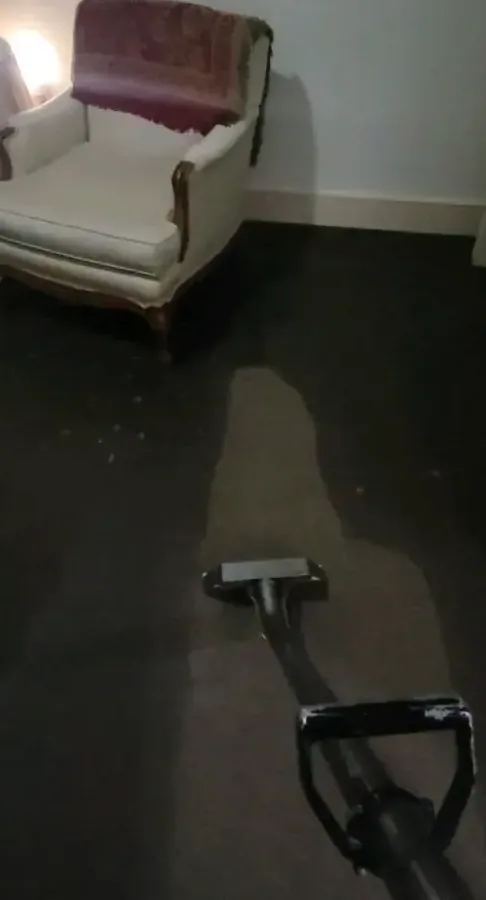
Pumps and wands remove standing water, and soaked carpet pad or drywall comes out where drying cannot save it.
- MP 3
Dry with equipment
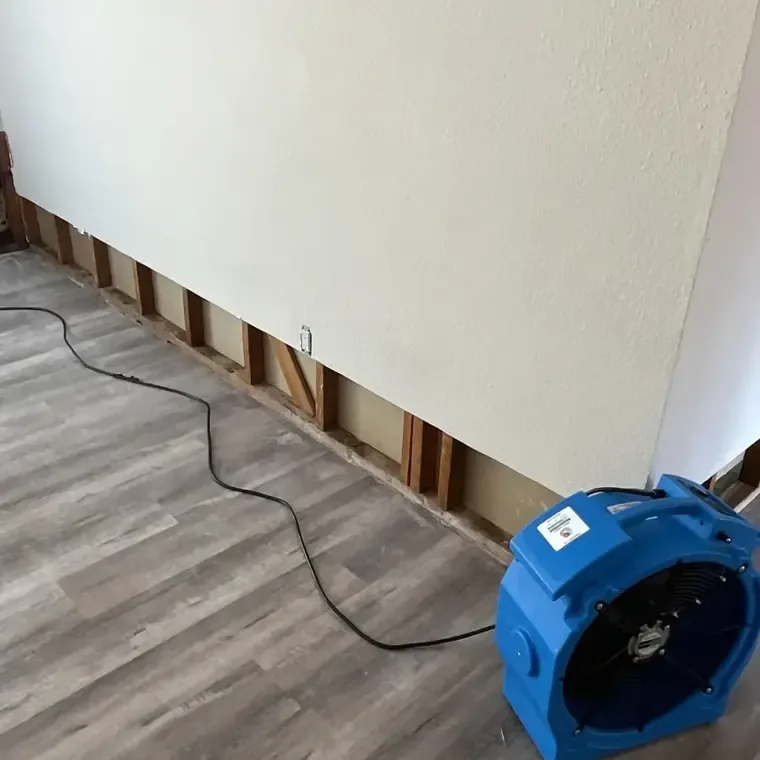
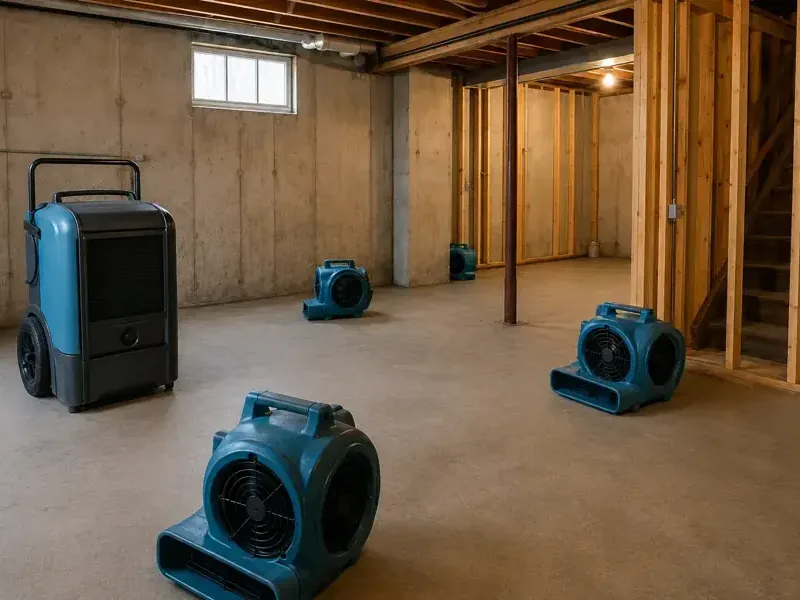
Air movers and dehumidifiers run in a set pattern while the crew checks readings and moves equipment as the wet areas shrink.
- MP 4
Confirm dry
Final readings must match the dry reference before equipment leaves, so wet framing is never sealed behind new drywall or flooring.
Documenting water damage for your claim
Many homeowners policies respond to sudden water loss, though wording varies by carrier, so photos, moisture logs and itemized invoices from the first day make a claim easier to follow.
- Photos of every wet room before cleanup
- Daily moisture readings and equipment logs from the drying team
- An itemized invoice listing extraction, drying and removal
- The plumber's repair statement naming the failed part
- Receipts for hotel stays or emergency purchases
How much does water damage cleanup cost in Milton?
Costs run from $1,200 for a contained clean leak to $14,000 and up for sewage or a whole floor. The area wet, how long the water sat and its category drive the figure more than any other factor.
- One room of clean water
- Extraction and air movers
- A short drying run
- Pump-out and extraction
- Subfloor and framing drying
- Several days of equipment
- Category 3 water handling
- Porous materials removed
- Disinfecting and full drying
Ranges cover mitigation only: water extraction, cleanup and drying. Rebuild work such as new drywall, flooring and paint is priced separately once structural drying is finished and the damage is fully scoped.
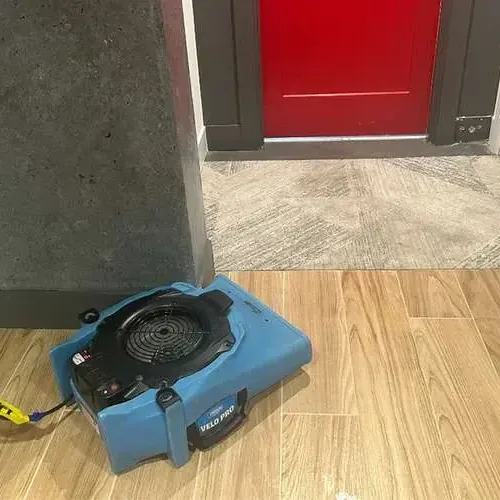
Built for large lots and bigger homes
Estate homes, large lots and horse properties define Milton, so the restoration team plans extraction hoses, equipment placement and drying zones for bigger footprints and any barns on the property, not just a single room.
How each dry-out here is runExtraction and drying equipment on typical water losses

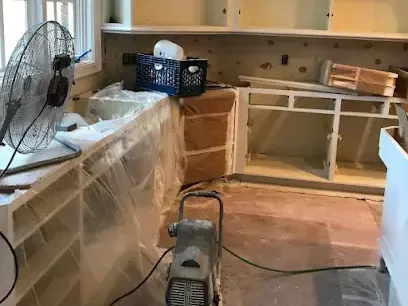
Three water problems and how each is handled
Burst and split pipes
A failed pipe can run for hours before anyone notices, soaking walls, ceilings and flooring across several rooms.
Burst pipe water damageAppliance and hose leaks
Washer hoses, dishwasher connections and ice maker supplies leak quietly behind cabinets and under floors for days.
Appliance leak cleanupSewage backups
Sewage is contaminated water. Some Fulton County accounts are water-only, so the first question is whether the home is on county sewer or septic.
Sewage backup cleanupWhere the crew works across Milton
Roads and neighborhoods covered
Nearby service areas
Water risks that shape Milton cleanups
Milton's land rolls from the Birmingham Highway ridge down toward the Little River watershed, so grading, soil and lot size all influence where water goes once it escapes a pipe or a roof.
Water, ground and housing
- Freeze damage. In January 2025, during a week of below-freezing temperatures, Fulton County Water Public Works asked all residents to let one faucet drip and to insulate exposed pipes in garages, crawl spaces and attics.
- Main shutoff location. Fulton County says the main valve is typically in the garage or basement behind an outdoor faucet, or outside below one, so finding it early limits a burst pipe.
- Sewer or septic. Milton's zoning has long favored septic-dependent lots, while Fulton County Public Works serves county customers, so a backup first needs the sewer or septic answer.
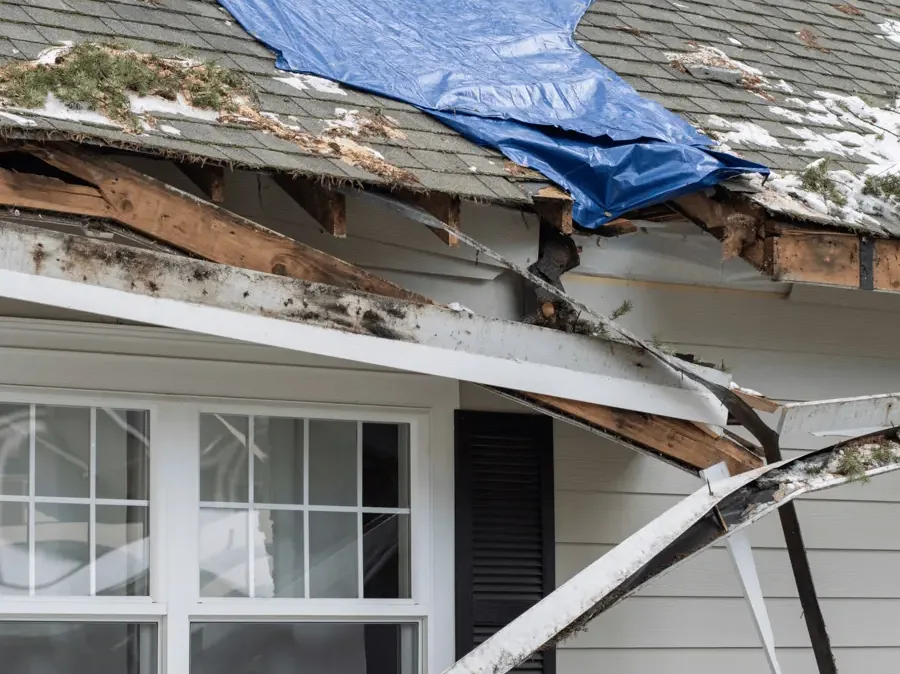
Weather and the record
September 2009 The Epic Floods of 2009 hit north Georgia and the Atlanta area, with Big Creek above flood stage at the Cumming, Alpharetta and Roswell gauges. The National Weather Service does not name Milton.
- Clay and grading. A land-development contractor describes much of the ground as compacted red clay and says poorly graded pastures can sit in standing mud over winter, a reminder that grading steers water.
- Roof and storm leaks. Heavy rain finds weak spots in roofs, flashing and gutters, and a wet attic can show up as a ceiling stain later.
Milton water damage questions
What should I do first after water gets into my Milton home?
Stop the source if you can by closing the main shutoff, usually in the garage or basement behind an outdoor faucet or outside below one. Then switch off power to wet rooms, photograph the damage and call for extraction.
How can I tell if there is a hidden leak?
Fulton County says the water meter has a leak indicator, often a small triangular dial. With every fixture off, a dial that keeps moving means a leak is likely somewhere on the property, even if no wet spot shows.
Does the crew handle sewage backups?
Yes. Sewage is contaminated water, so it is removed, surfaces are disinfected and porous materials are discarded. The first question is whether the home is on county sewer or septic, since that shapes where the backup came from.
How long does drying take?
Most structures need several days of equipment, and hardwood, cabinets or wet insulation can take longer. Moisture readings, not the calendar, decide when the air movers and dehumidifiers leave the home.
Will insurance pay for water damage?
Many homeowners policies respond to sudden losses such as a burst pipe, but not to long-term seepage. Wording varies, so the policy itself decides, and readings, photos and invoices from the drying team support the claim.
Does the crew work on barns and equestrian properties?
Equestrian properties keep barns, riding rings and paddock fencing, and a wet barn floor or outbuilding is treated like any structure: water out, moisture measured, then drying until readings match a dry reference.
Can businesses get the same service?
Yes. Shops, offices and private schools get phased drying plans so one area can return to use while another is still being dried, with readings documenting each step.
What does a water damage job cost here?
Ranges start near $1,200 for a contained clean leak and reach $14,000 or more for sewage or a whole floor. The category of water, the area wet and the time it sat set the final figure.
When should I call about a small leak?
Call when water is behind a wall, under flooring or above a ceiling, even if the surface looks dry. Hidden moisture left for 24 to 48 hours can start mold growth and swell framing, so early extraction saves material.
Is storm water treated differently from a pipe leak?
Yes. Water that enters from outside carries mud and bacteria, so it is handled as contaminated and porous materials are usually removed rather than dried, while clean supply water is often dried in place.
Need help with water right now? The restoration team can talk through the situation and plan extraction and drying. Call any hour, and have the water source and affected rooms ready.
(888) 532-4616Call about your waterWater in your Milton home needs attention before it spreads
Call any hour, describe the water, and the restoration team starts the extraction and drying plan.