Water Damage Restoration Roswell, GA
Burst pipes, rising creeks, backed-up drains and leaking water heaters all send water into Roswell homes and shops. The restoration team extracts it fast and dries every wet layer to moisture readings.
(888) 532-4616Water in the house? Call for the drying teamFrom Canton Street shops to Martin's Landing condos, wet buildings across the city get the same readings-based drying.
Fourteen kinds of water loss, each handled differently
Every job starts by finding the water's source and category. Choose the situation below that fits, or call and the crew will sort out the right service.
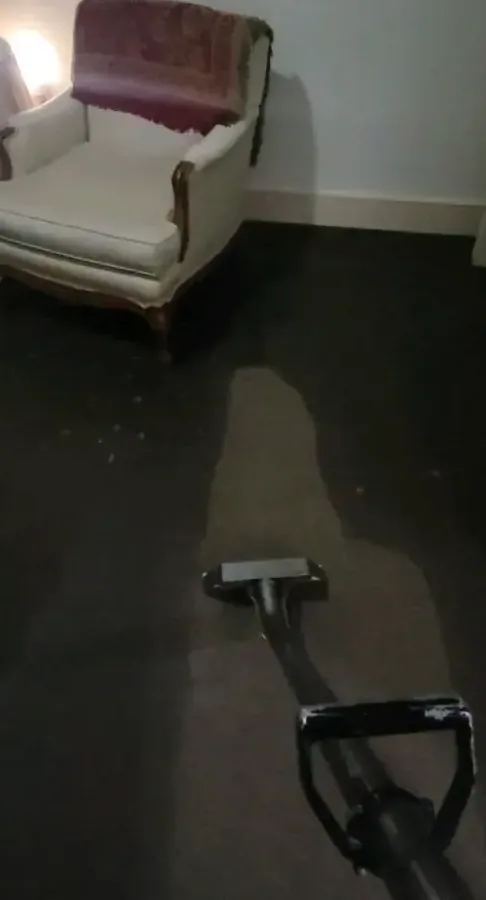
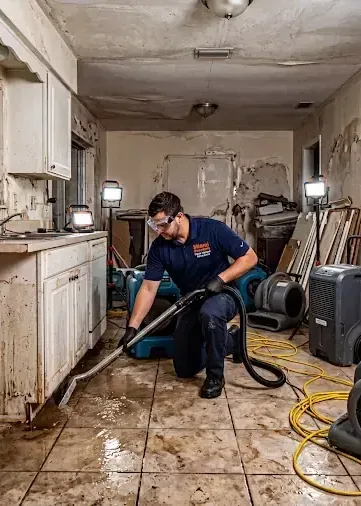 Water Extraction and RemovalWands and pumps pull standing water off floors before it wicks into walls, carpet and subfloors.See the service
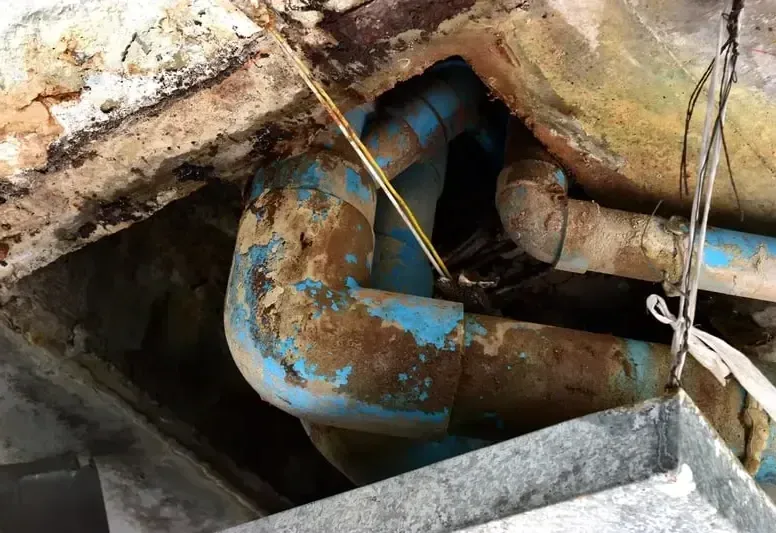 Burst Pipe Water DamageSplit pipes are traced and the wet cavity is opened only where meter readings call for it.See the service
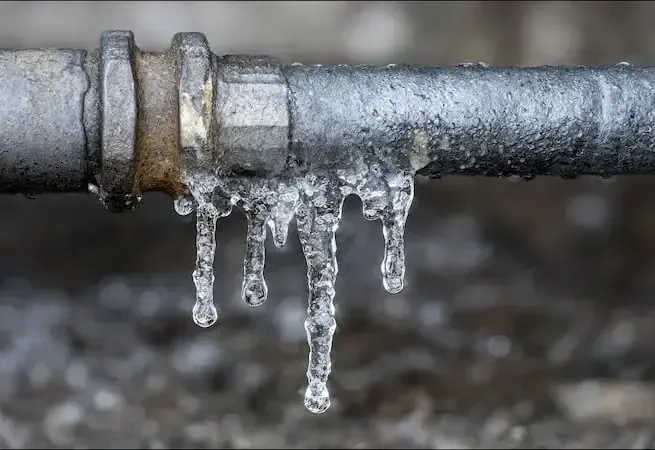 Frozen Pipe Water DamageCold nights freeze exposed pipes, and the thaw releases water into walls, ceilings and floors.See the service
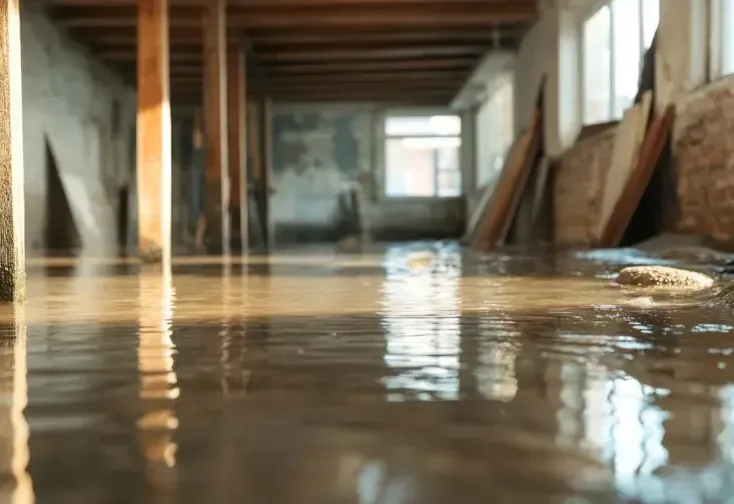 Basement Flooding CleanupEach lower level is checked on its own, because soaking rains reach homes in different ways.See the service
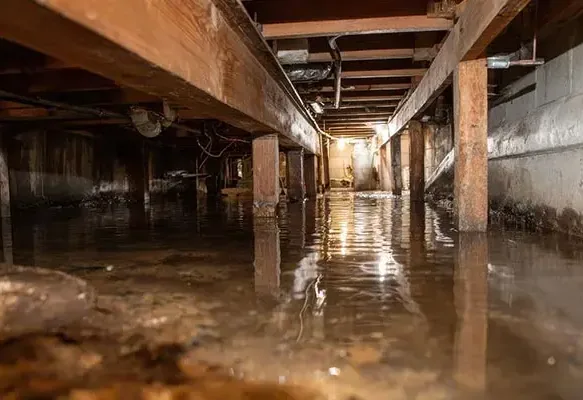 Crawl Space Water RemovalDamp ground and standing water under the floor are pumped out and dried before the subfloor suffers.See the service
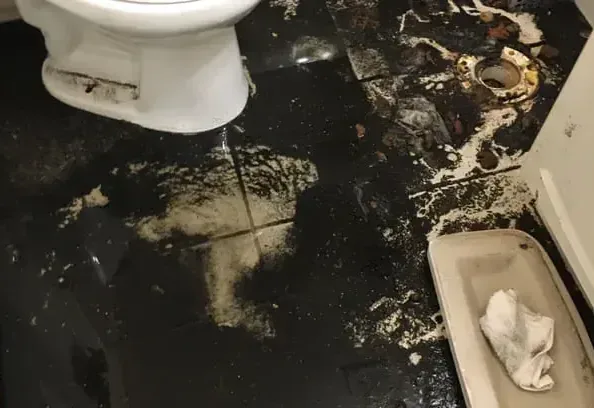 Sewage Backup CleanupBackups carry bacteria, so the area is contained, cleaned with protective gear and sanitized before drying.See the service
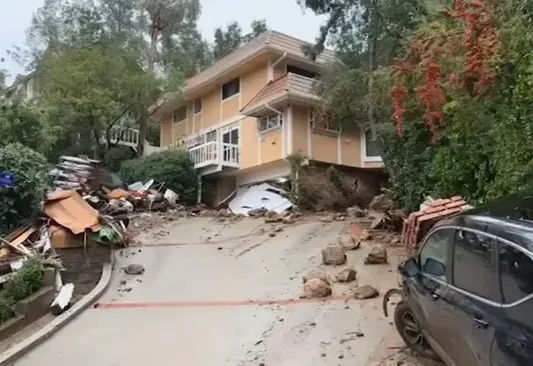 Storm and Creek Flood CleanupCreek and storm water that enters a home is handled as contaminated, with careful removal and drying.See the service
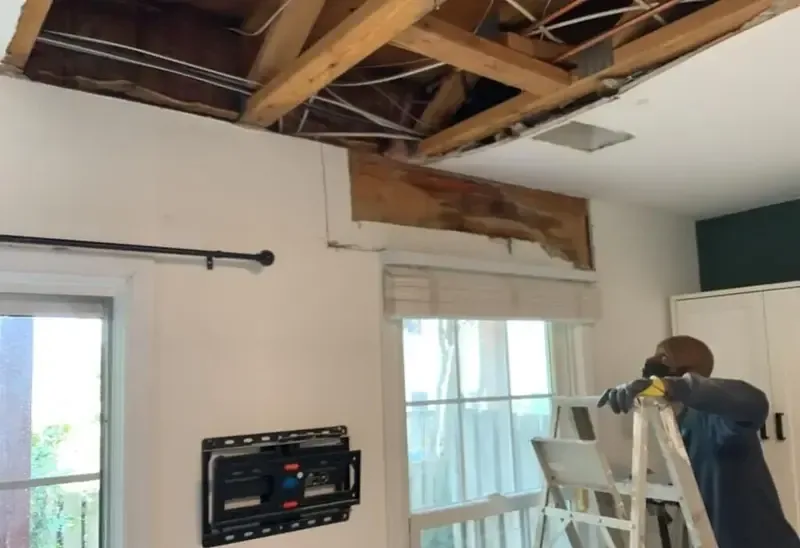 Roof Leak Water DamageSpring rain finds worn flashing and shingles, and the attic and ceilings below are dried.See the service
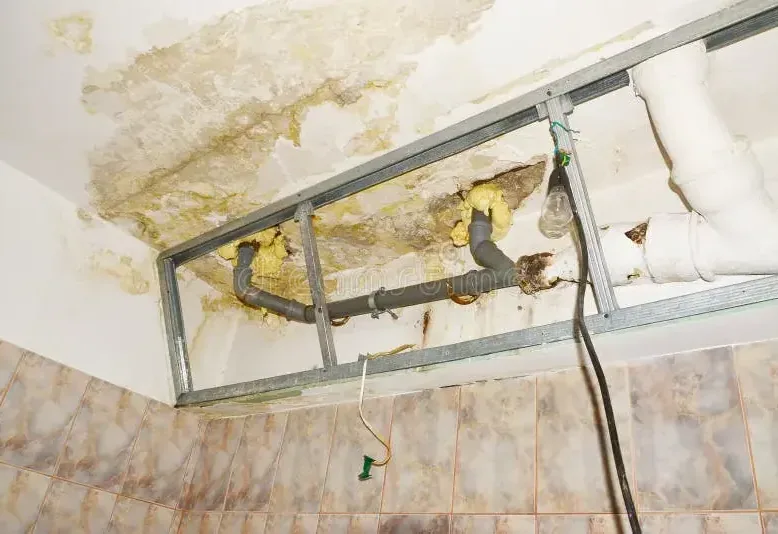 Ceiling Leak Water DamageA stained or sagging ceiling means water above, so the cavity is opened, drained and dried.See the service
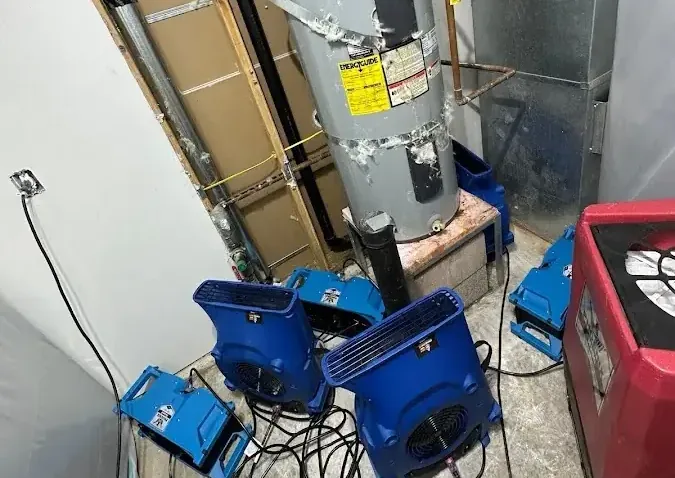
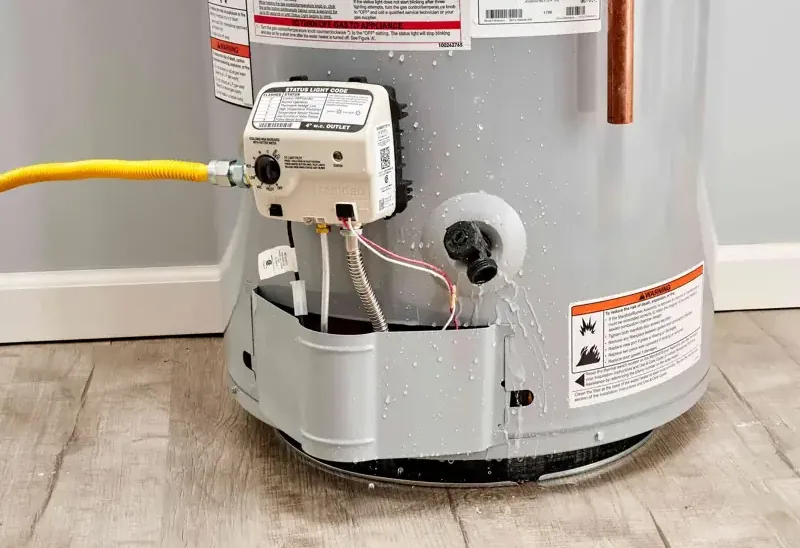 Water Heater Leak CleanupA failed tank empties fast, so the floor and nearby walls are extracted and dried at once.See the service
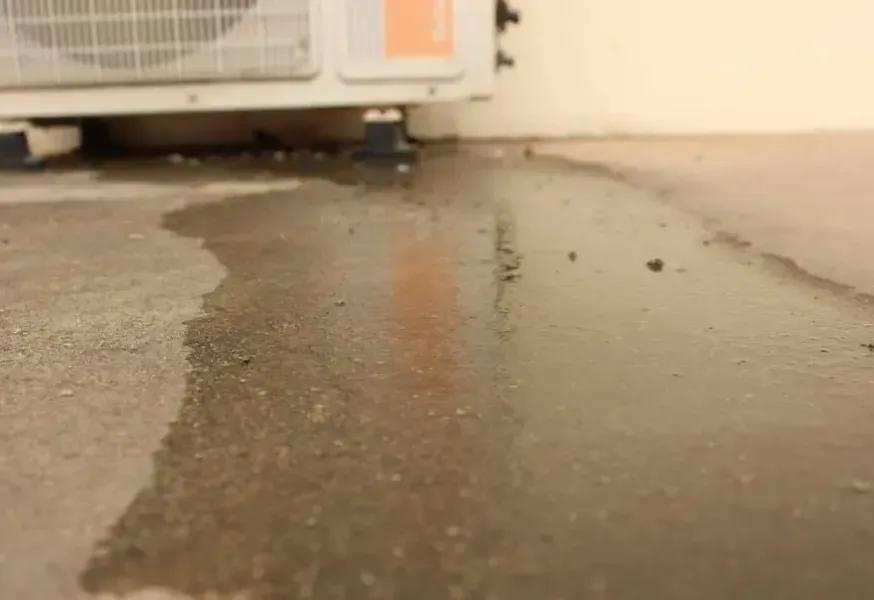 AC Condensate Leak Water DamageA clogged condensate drain can overflow in summer heat and soak a ceiling or closet wall.See the service
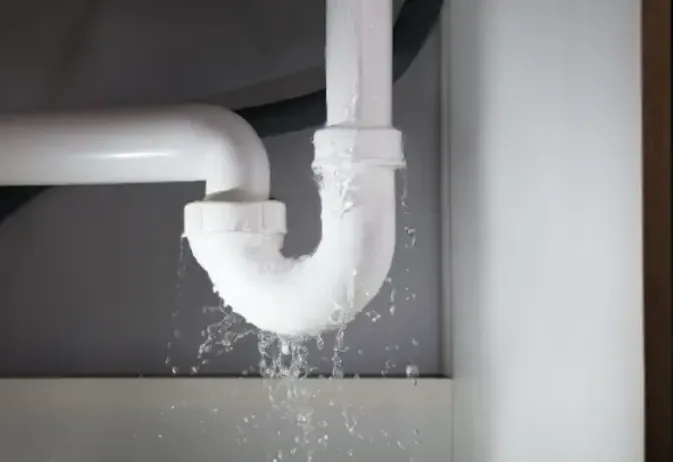 Appliance and Supply Hose LeaksWasher, dishwasher and supply hose leaks can reach the floor below or the unit next door.See the service
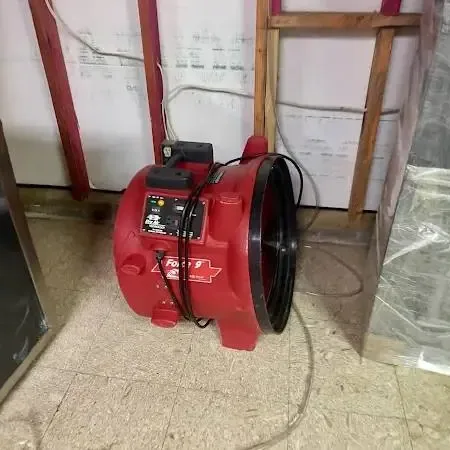
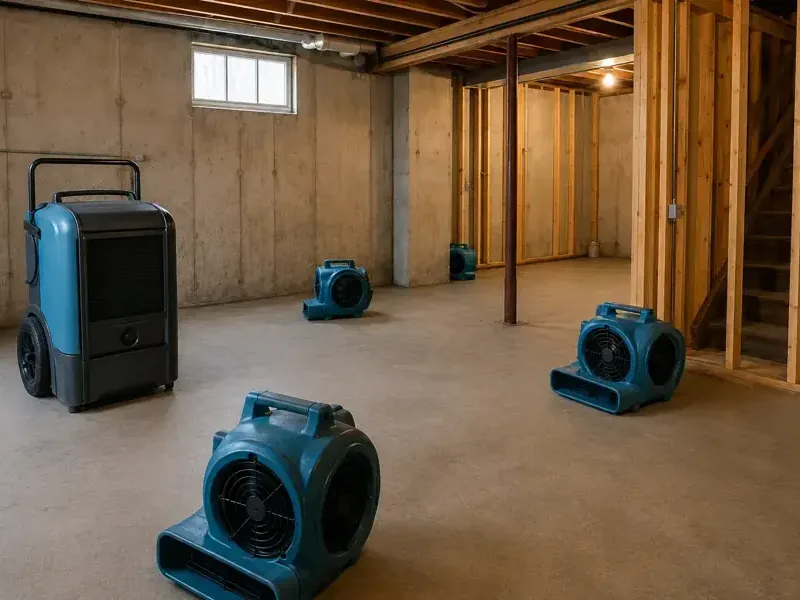
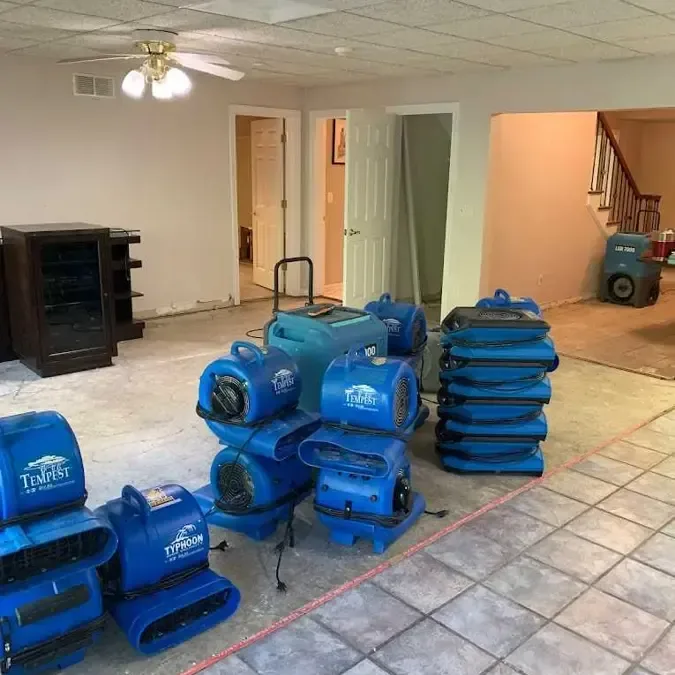 Structural Drying and DehumidificationAir movers and dehumidifiers dry framing, drywall and floors until meters read dry, which humid weather slows.See the service
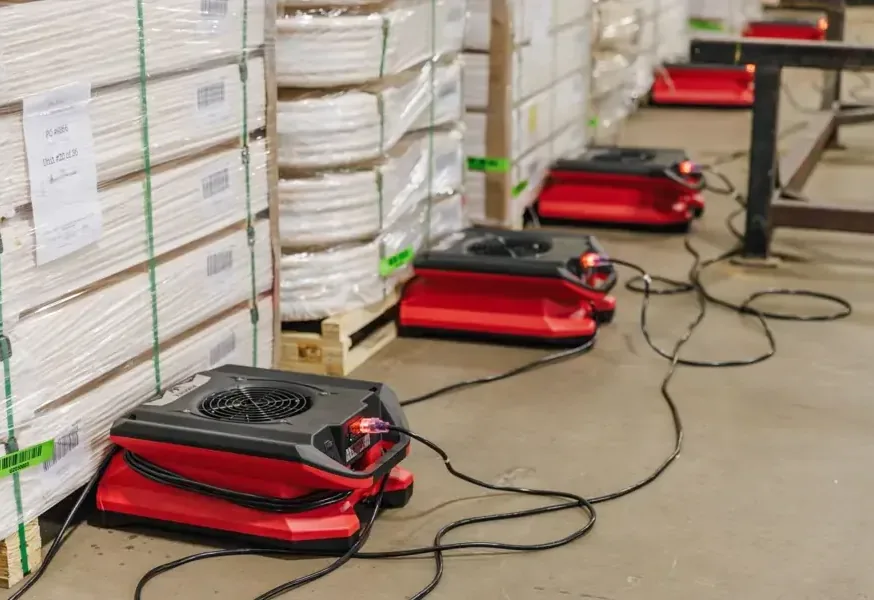 Commercial Water DamageRestaurants, offices, clinics and shops get containment, extraction and drying planned around the business.See the service
First moves while the water is still spreading
- 1
Stop the water supply
Close the main shutoff, usually near the meter or where the pipe enters the house, so nothing keeps feeding the leak.
- 2
Cut power to wet rooms
Switch off breakers serving wet areas, and never step into standing water near outlets or cords.
- 3
Photograph everything
Take wide and close shots of the damage, the source and wet belongings before anything is moved.
- 4
Lift what can be lifted
Raise rugs, boxes and small furniture onto dry surfaces and open cabinet doors so air reaches wet spots.
- 5
Call before it spreads
Wet drywall and carpet can start growing mold within 24 to 48 hours, so drying should begin early.
Four things every dry-out gets
Readings, not guesses
Moisture meters and a thermal camera confirm which materials are wet, and the same tools confirm when they are dry.
Equipment sized to the job
Air movers and dehumidifiers are matched to room volume and wet materials, not dropped in by habit.
Careful with demolition
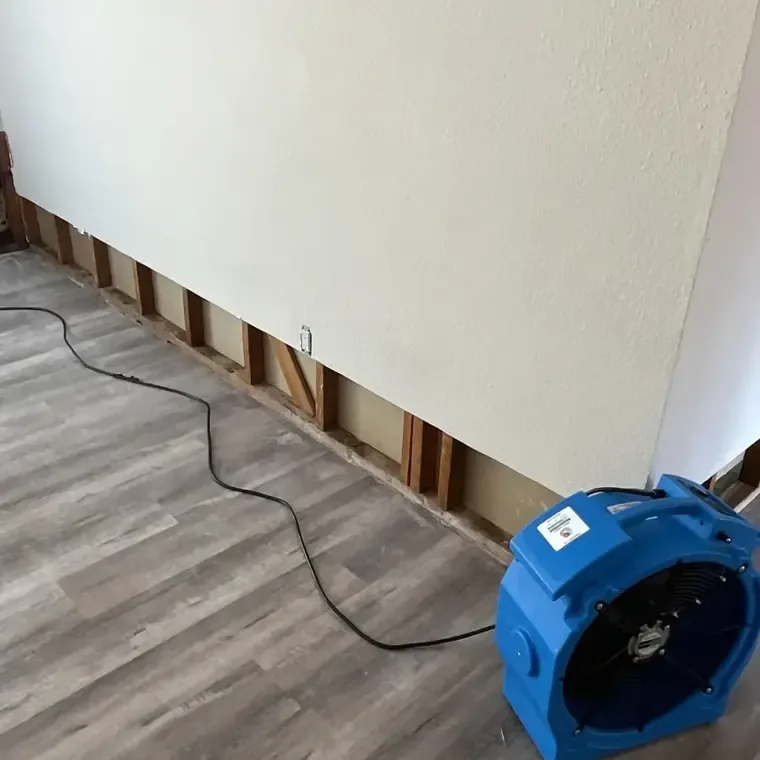
Drywall, pad and insulation come out only when readings show they cannot be dried in place.
Records for the insurer
Photos, moisture logs and a scope list are kept for the claim, so the adjuster sees what was wet and why.
Every room dried to a measured target
Drying is a sequence, and skipping a step leaves wet framing behind. The team documents each stage so the readings, not guesses, decide when equipment leaves. A humid subtropical climate makes wet materials slow to dry unaided.
- MP 1
Map the moisture
A thermal camera and meter trace hidden wetness behind walls and under floors, then the boundaries are sketched.
- MP 2
Extract
Pumps and wands remove loose water from floors and low spots so the structure starts drying right away.
- MP 3
Set the drying chamber
Air movers and dehumidifiers are placed by room volume, with wet areas sealed off so humid air does not spread.
- MP 4
Log and confirm
Each visit adds readings to the record, and equipment stays until every material reaches its dry target.
What goes into a solid water claim
Adjusters settle water claims on evidence, and the strongest files are built while the job is running. The drying team documents each stage so nothing has to be reconstructed later.
- A moisture map of every wet room
- Meter readings from each visit
- Dated photos taken before any cleanup
- The water category and its likely source
- An itemized scope of work for the adjuster
What does water damage restoration cost here?
Most jobs land between $1,200 and $14,000 or more, and the final number follows the water category, the square footage that got wet and how many days of drying the readings call for. Clean supply water costs far less than gray or sewage-contaminated water.
- Clean water, found quickly
- Pump out and dry in place
- Meter checks each visit
- Soaked pad and baseboards out
- Slab and joists dried
- Dehumidifiers sized to the space
- Gray or black water involved
- Contained, then removed
- Surfaces sanitized, then dried
These are common ranges, not quotes. The price moves with the water category, the materials involved and the drying days, and a sudden loss is often covered by the policy.
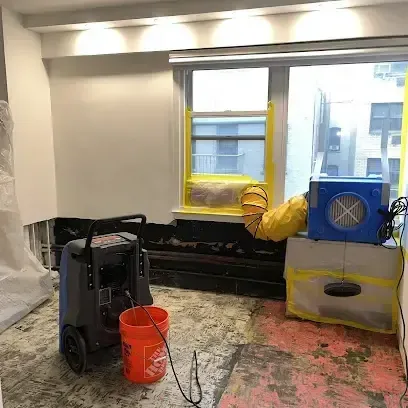
Drying that is measured, documented and finished
Water damage is a race against wicking and humidity, and the wet climate here makes shortcuts costly. The team measures first, dries to a target and shows the numbers to the homeowner.
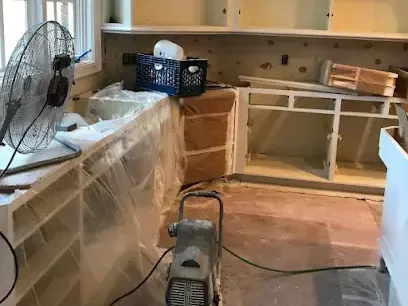
How each dry-out here is runWhat a water damage job looks like from extraction to drying

Clean, gray or black: what the water category means
Category 1, clean water
Broken supply pipes and failed hoses start out clean, but the water turns gray if it sits for a couple of days.
Burst pipe cleanupCategory 2, gray water
Washer and dishwasher discharge carries soap and food residue, so porous materials usually come out.
Appliance leak cleanupCategory 3, black water
Sewage and floodwater carry bacteria. This work needs containment, protective gear and thorough sanitizing before drying begins.
Sewage backup cleanupRoswell water damage service area
Neighborhoods and landmarks
Nearby cities
Why Roswell homes see water damage
Roswell has a humid subtropical climate with rain spread through the year, creeks inside the city and the Chattahoochee River along its southern edge. Those conditions send water into homes in several ways.
Water, ground and housing
- Rain in every season. Roswell averages about 52.3 inches of rain a year, and March is the wettest month at 6.0 inches, so roofs, gutters and lower levels are tested every spring.
- Freezing winter nights. Average lows sit below the 32 degree freezing point in December, January and February, at 30.7, 27.9 and 29.9 degrees F, which stresses exposed pipes.
- Creeks and the river. Vickery Creek and Crossville Creek run through the city, and homes near the Chattahoochee River, including around Riverside Park, can sit near regulated floodplains.
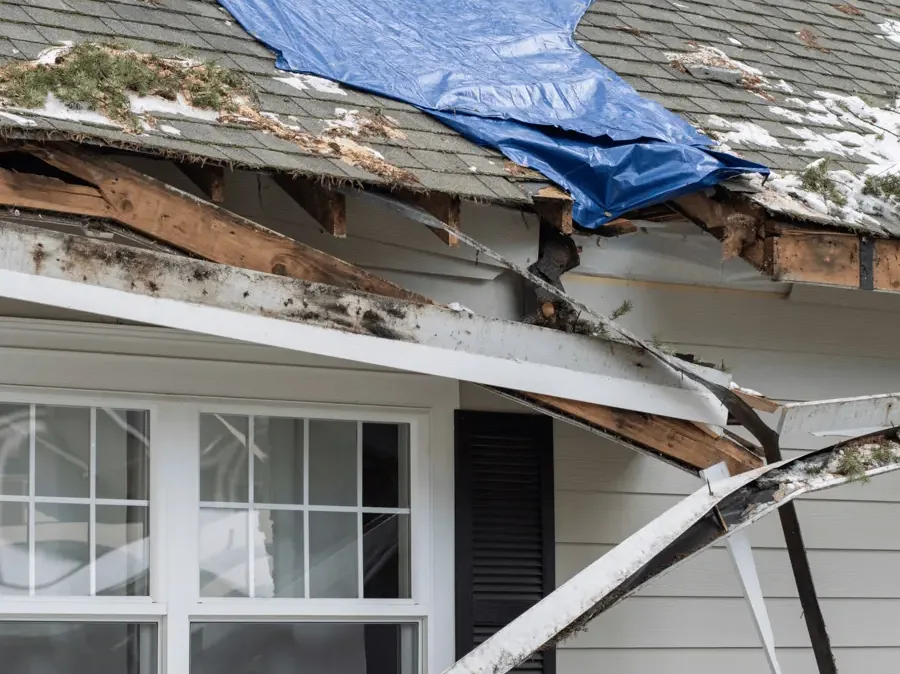
Weather and the record
March 6, 2024 FOX 5 Atlanta posted that heavy rain from Tuesday night into Wednesday morning flooded roads and caught many Roswell drivers in the water. Downpours like that push runoff toward doors and low entries.
- Stacked and older housing. Much of Martin's Landing dates to the 1970s and 1980s, and Historic Roswell mixes 19th-century homes with newer condos, so leaks often travel between units.
- A large, busy housing stock. The 2020 census counted 38,032 housing units, and the city grew from 79,334 residents in 2000 to 92,833 in 2020, which means a lot of plumbing, roofs and appliances in service.
Common water damage questions
How soon should drying start after a leak?
As soon as the water is stopped. Wet drywall, carpet pad and framing can begin growing mold in 24 to 48 hours, and humid summers speed that up, so waiting through a weekend makes the job bigger.
Does homeowners insurance cover a burst pipe?
Sudden and accidental breaks are commonly paid under the dwelling section, subject to the deductible. Gradual seepage or neglect is treated differently, so read the policy language. Ask the adjuster which documents are needed.
What is the difference between gray and black water?
Gray water comes from washers and dishwashers and carries soap and residue. Black water carries sewage or floodwater bacteria and needs containment and protective gear. Each needs different cleanup methods.
Why do pipes split in winter here?
December, January and February lows average below freezing, and pipes along exterior walls or in unheated spaces can ice up. The split often shows only as the ice thaws, so a leak found on a warm afternoon may have formed days earlier.
How long does structural drying take?
A small clean loss often dries in 3 to 5 days, while a whole floor or Category 3 job can run longer. Humid weather slows the process, so daily readings decide when equipment leaves.
What should I do while waiting for help?
Shut off the water, flip breakers for wet rooms, photograph the damage and lift small items off wet floors. Stay out of standing water near outlets.
Does a standard policy cover creek flooding?
Rising creek water is generally excluded from standard homeowners coverage and handled under flood insurance. The FEMA Flood Map Service Center shows whether an address sits in a regulated floodplain.
Is sewage in the house dangerous?
Yes. Backup water carries bacteria, so children, pets and anyone with health concerns should stay out until the area is contained and sanitized. Do not run water or flush fixtures meanwhile.
Do walls always have to be opened?
No. Panels that stayed dry or can dry through small holes often stay in place, and readings decide. Only soaked insulation and drywall come out.
What sets the final price of a job?
Four things: the water category, how much area is wet, what materials absorbed it and how many days the equipment runs. Photos and readings back every item.
Not sure which service fits? Describe what happened and the crew will explain what to shut off, what to photograph and how the drying would be set up.
(888) 532-4616Describe the leak to the crewWater in your Roswell home right now?
Extraction, structural drying and cleanup are ready whenever the water starts, day or night.