Water Damage Restoration Alpharetta, GA
24/7 water damage restoration in Alpharetta, GA. Crews pump out standing water, bring walls, floors and framing back to dry under IICRC S500, and log each reading for the insurance adjuster.
(888) 532-4616Water spreading across the floor? Get extraction startedFrom the downtown blocks around City Center to Avalon and North Point, active water is handled as urgent at any hour.
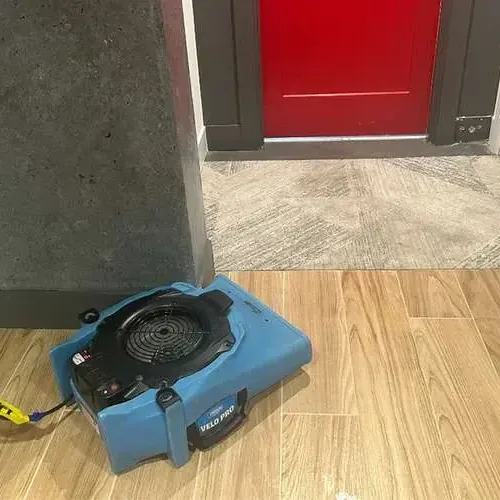
Water Damage Restoration Services in Alpharetta, GA
Fourteen water services for houses, apartments and offices across the city, from a frozen pipe in an exterior wall to a washer hose that let go upstairs.
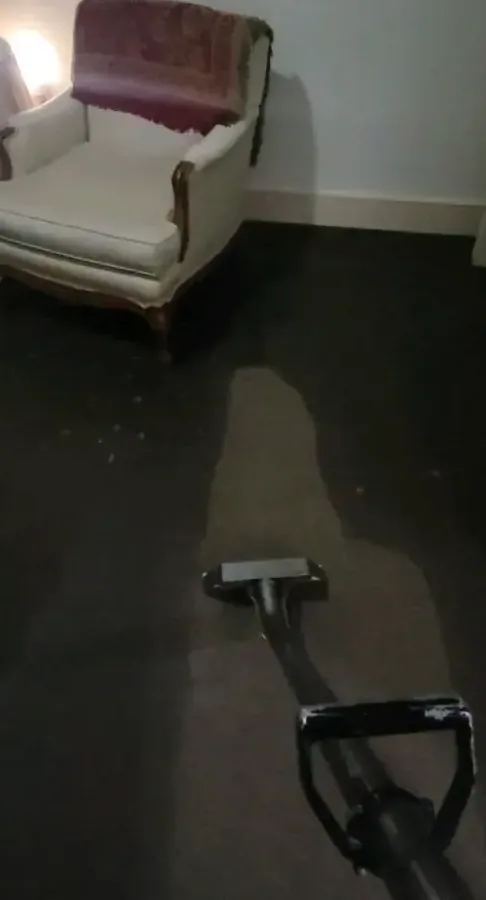
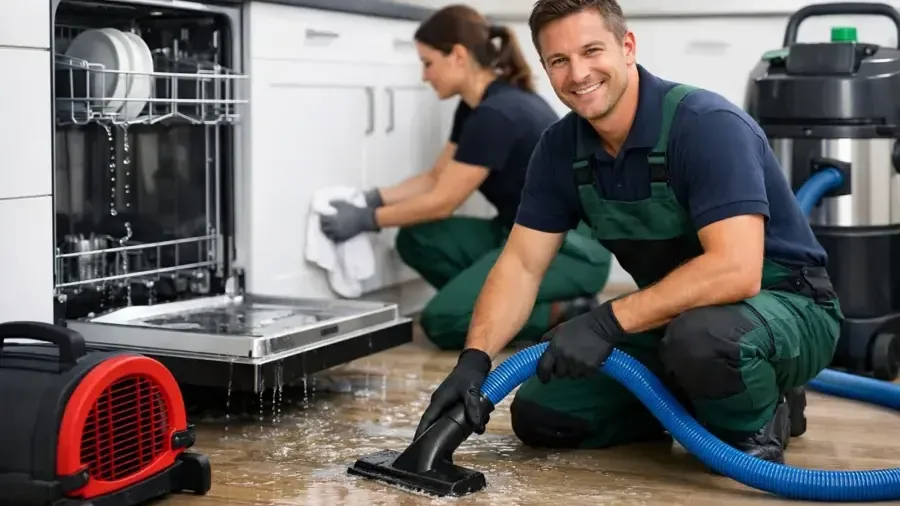
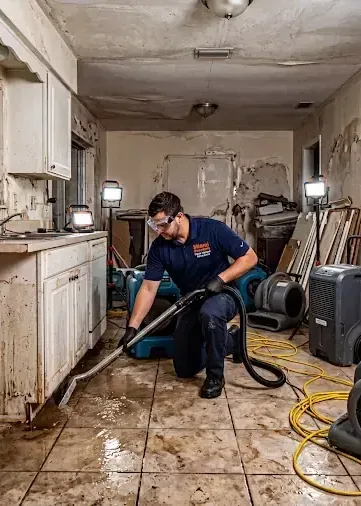 Water Extraction and RemovalPad and carpet emptied with weighted tools and truck-mounted suction before the water climbs into drywall.See the service
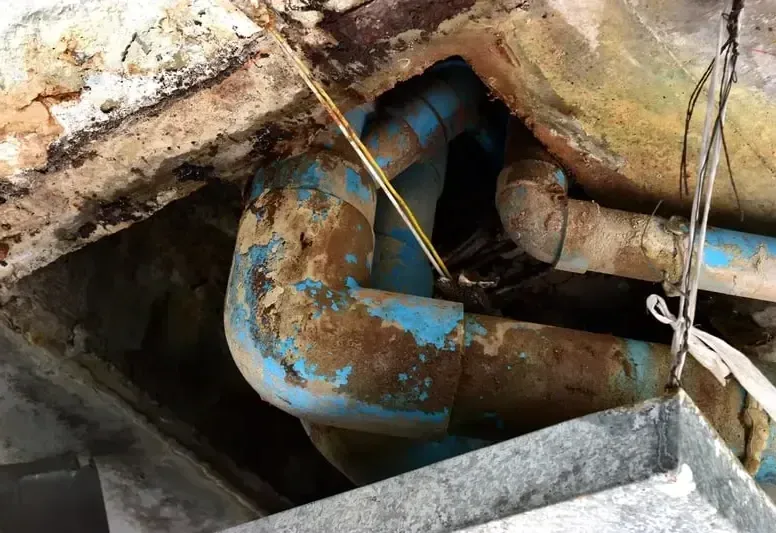 Burst Pipe Water DamageSplit supply pipes found with a meter check and a thermal camera, walls opened only where needed.See the service
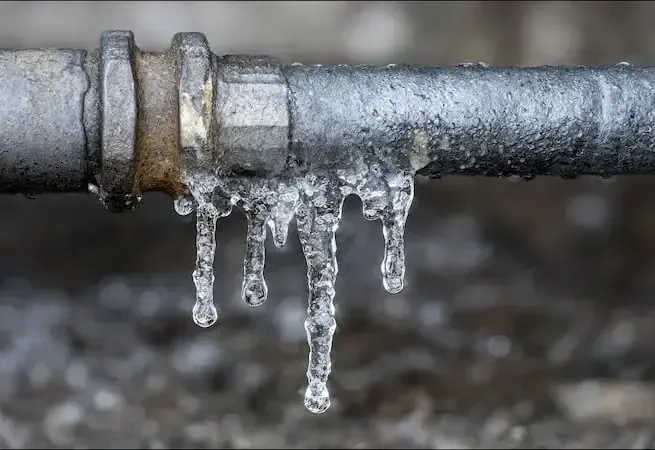 Frozen Pipe Water DamageLines in attics, garages and outside walls that cracked on a hard freeze, located as they thaw.See the service
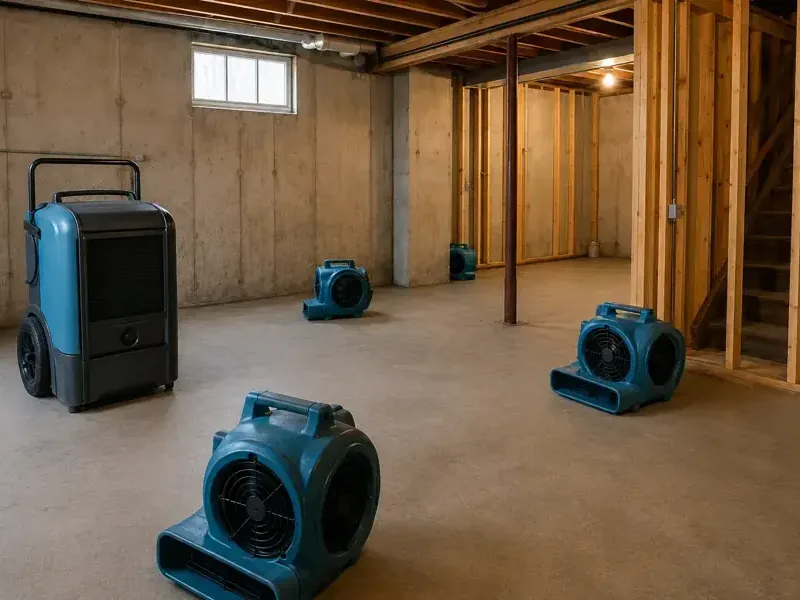
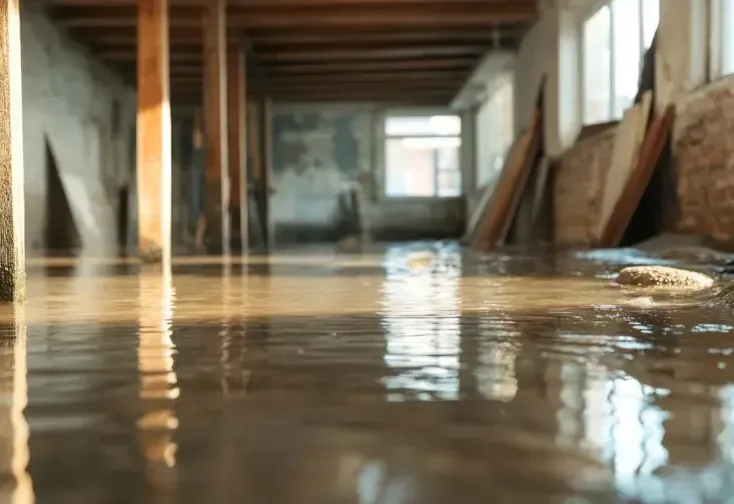 Basement Flooding CleanupBelow-grade rooms emptied by submersible pump, wet carpet and drywall cut back, concrete brought to dry.See the service
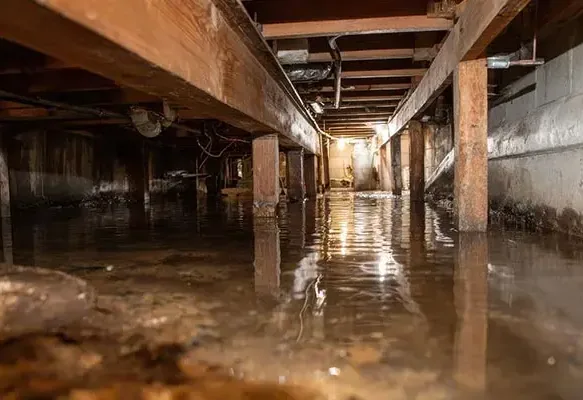 Crawl Space Water RemovalWater beneath the floor pumped off the vapor barrier, sodden batts bagged, joists dried out.See the service
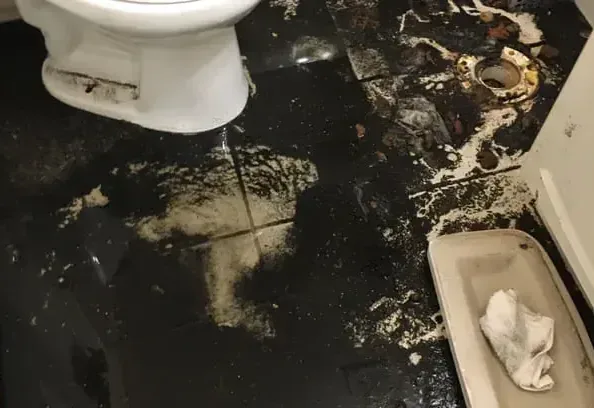 Sewage Backup CleanupDrain and toilet backups contained as black water, affected porous items removed, hard surfaces disinfected.See the service
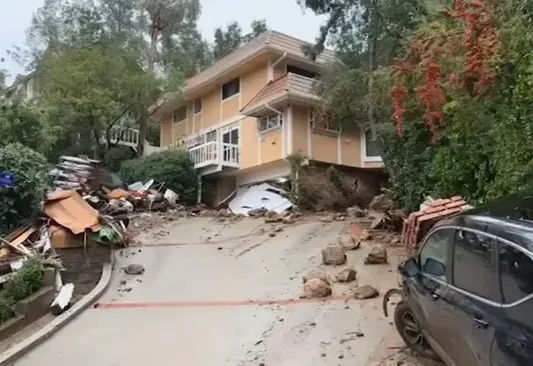 Storm and Creek Flood CleanupRunoff that came in from the yard handled as contaminated, silt shoveled out, rooms dried to readings.See the service
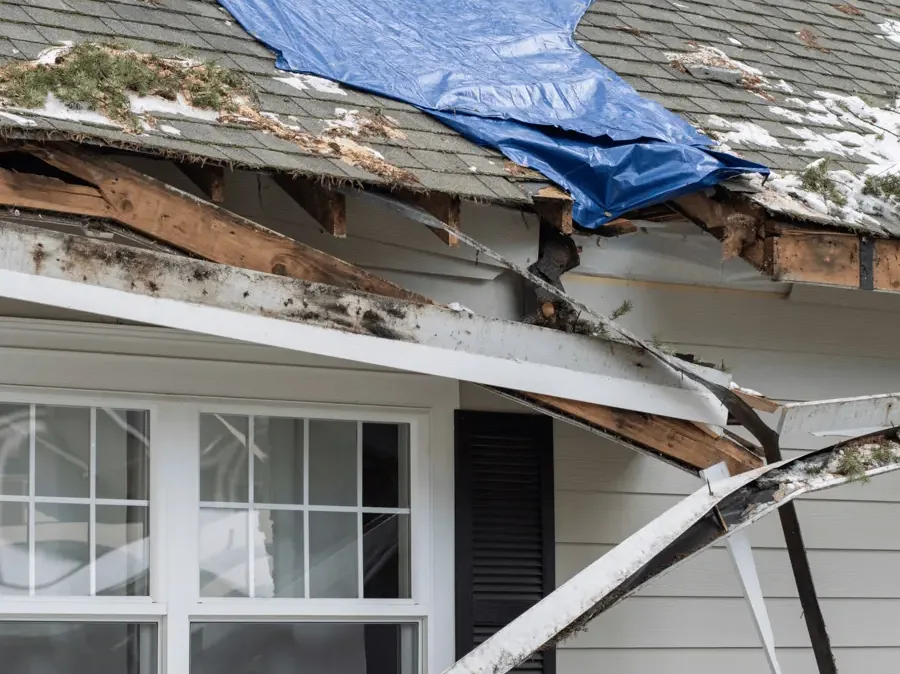
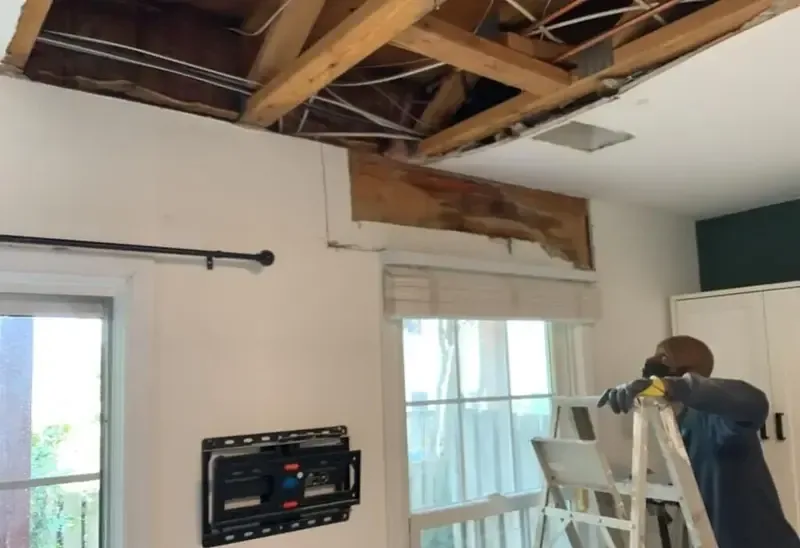 Roof Leak Water DamageRain followed from the decking down, soaked attic insulation pulled and ceilings brought back to dry.See the service
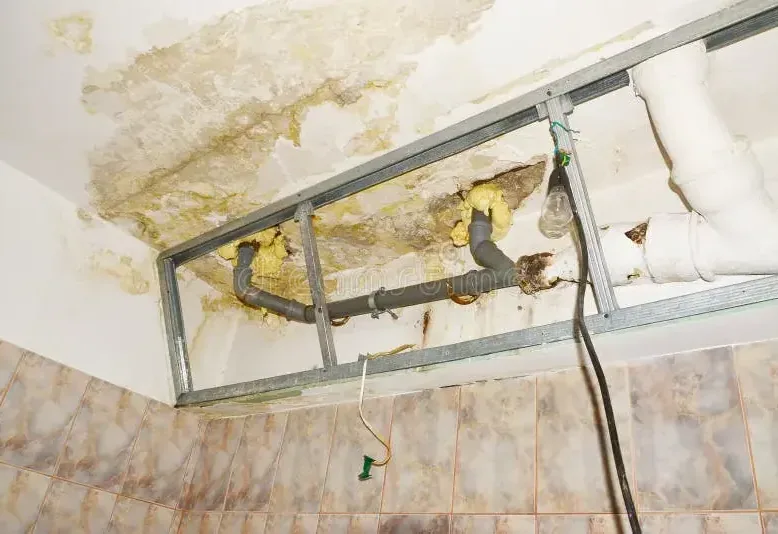 Ceiling Leak Water DamageLeaks from a bath or unit overhead located beyond the stain, panels opened safely, bays dried.See the service
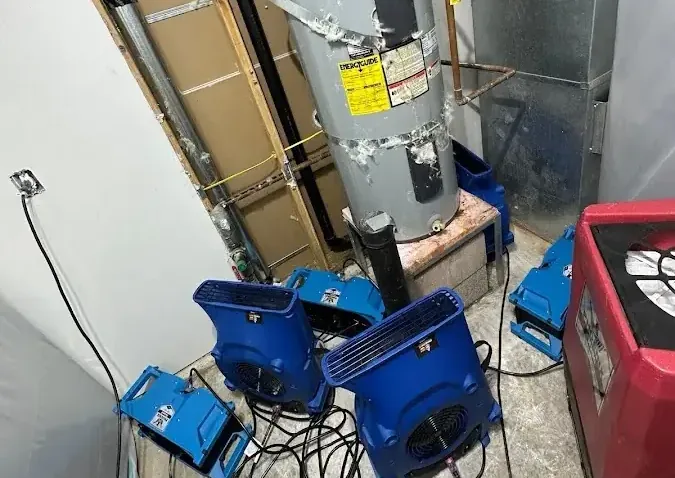
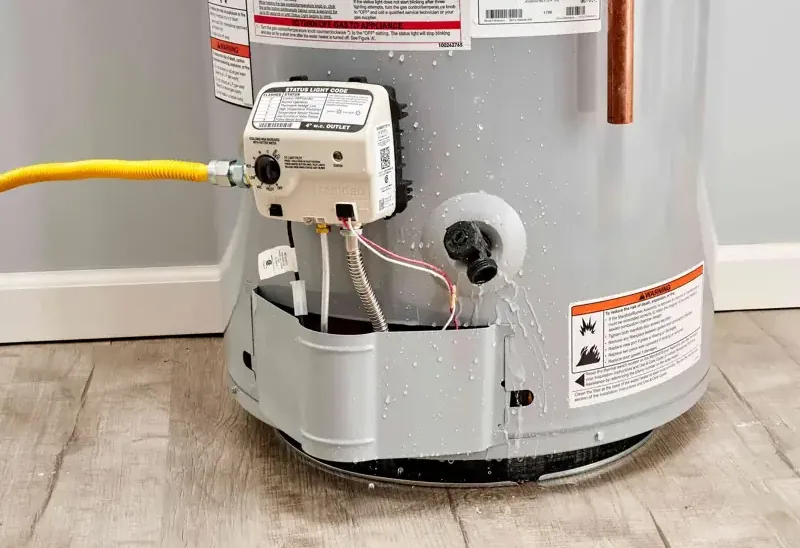 Water Heater Leak CleanupRusted-out tanks in closets, garages and attics cleaned up before the floor below soaks through.See the service
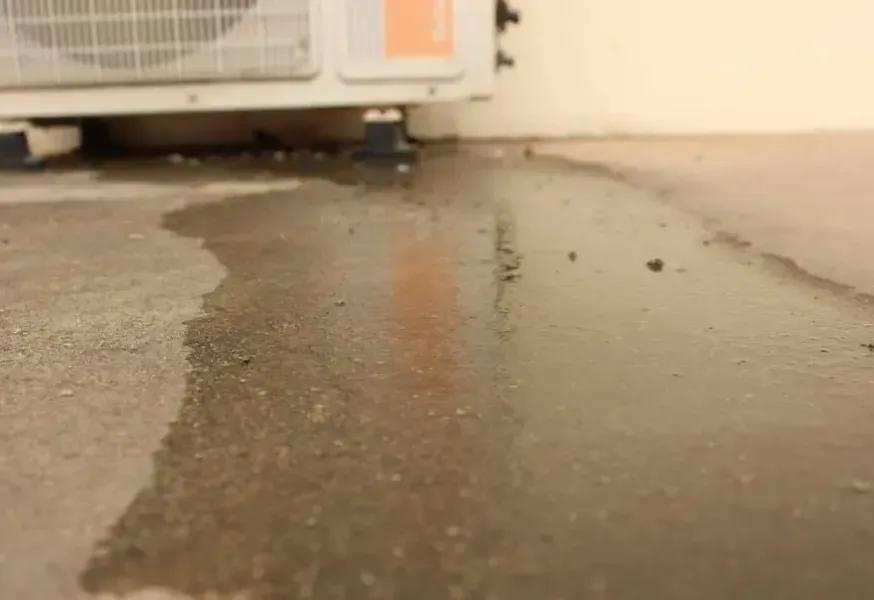 AC Condensate Leak Water DamageAir handler pans that overflowed and clogged drains tracked down, ceilings and closets dried.See the service
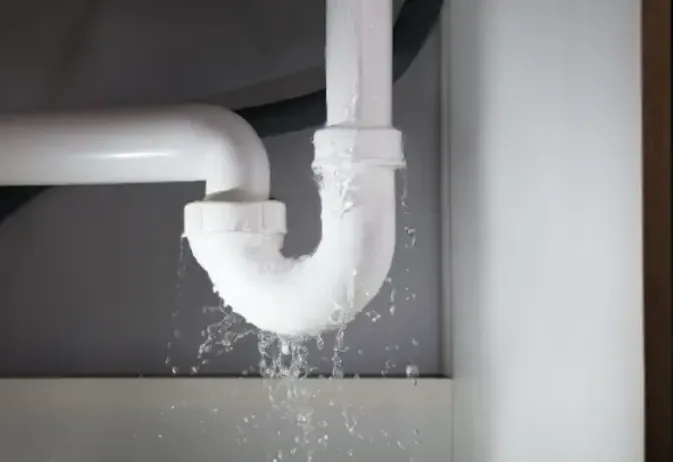 Appliance and Supply Hose LeaksWasher, dishwasher, fridge and toilet hose failures pulled from floors and cabinet toe kicks.See the service
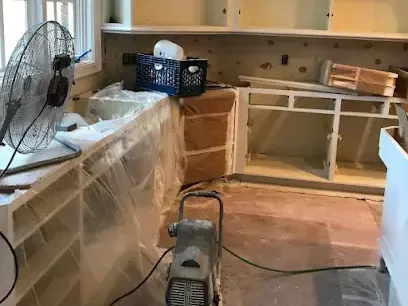
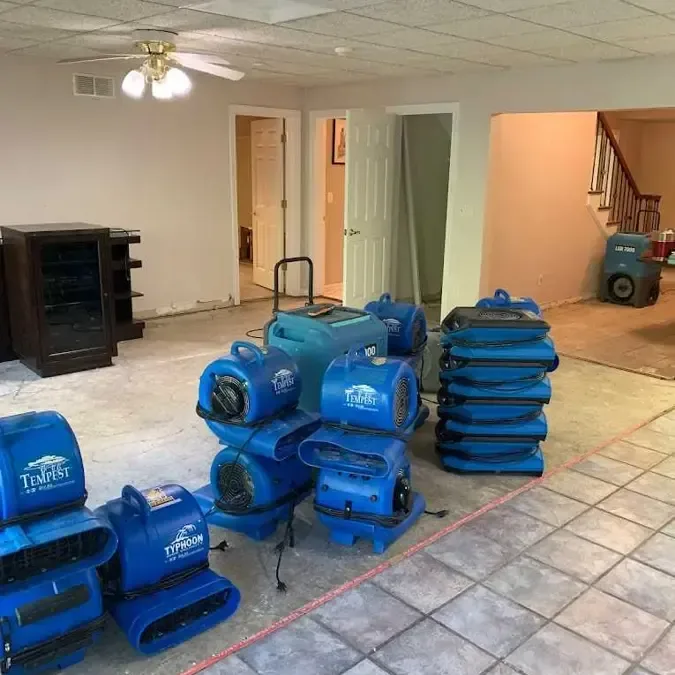 Structural Drying and DehumidificationStuds, subfloor and slab dried with LGR units until they read within 2 to 4 points of dry.See the service
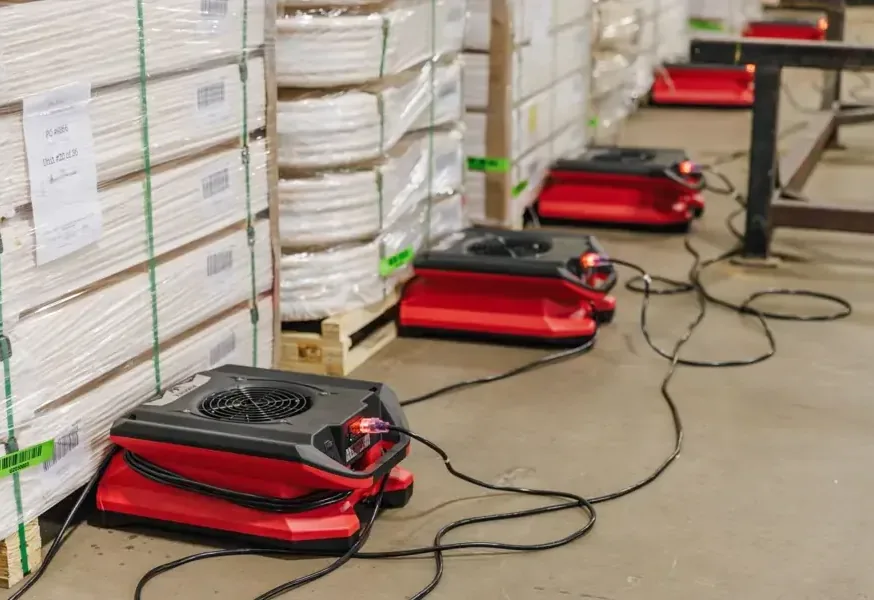 Commercial Water DamageOffices, shops and server rooms dried in phases so the rest of the building keeps operating.See the service
First moves while the water is still running
- 1
Shut the water off
Turn the house main or the small valve under the leaking fixture; if unsure which, use the main.
- 2
Make wet rooms safe
Flip breakers for wet areas from a dry panel, and keep everyone out of water near cords and outlets.
- 3
Take photos first
Shots of the waterline on walls and of the source, taken before cleanup, help the adjuster later.
- 4
Get things off the floor
Raise rugs, boxes and cushions, and slide foil or blocks under furniture legs on wet carpet.
- 5
Call before the clock runs
Growth can start on damp materials within 24 to 48 hours, so drying should begin early.
Four things every dry-out gets
Fast local dispatch
Running water is handled as an emergency at any hour, since a split pipe keeps flowing whether or not the house is occupied.
IICRC S500 drying standard
Air movers and LGR units are matched to the class of loss, and every wet material is metered again each morning.
Claim-ready records
The adjuster gets a moisture map, psychrometric logs and photos shot before any drywall or flooring came out.
From lower level to attic
Slabs, crawl spaces, attics and stacked units dry at different rates, so each plan starts from where the water traveled.
Every room dried to the IICRC S500 standard
Sequence is what separates a real dry-out from a cosmetic one. Each stage gets measured, written into the log and repeated until meter readings, not how a wall looks, show the structure is dry.
- MP 1
Map the moisture
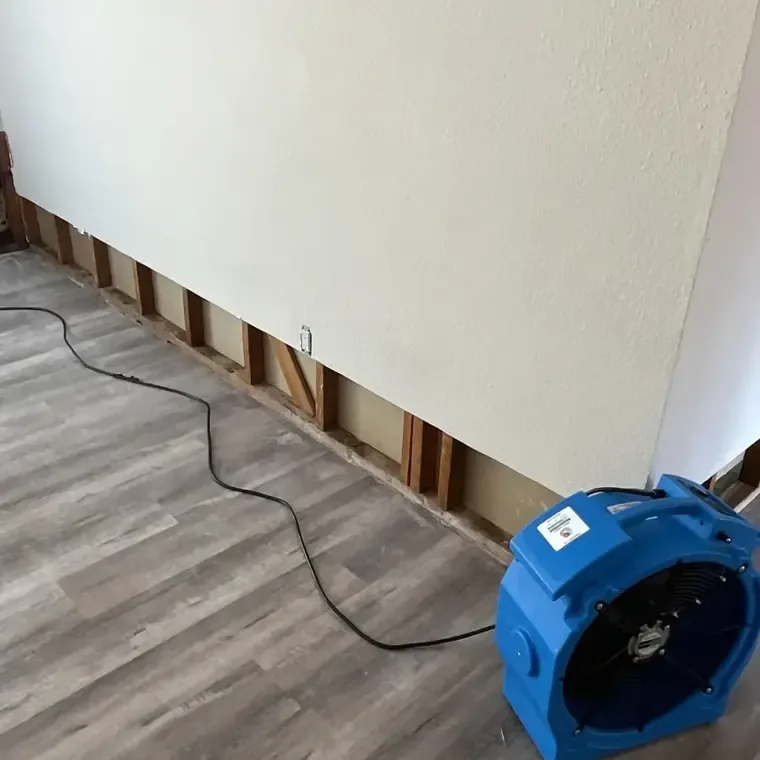
A thermal camera and pinless meters locate water hiding in walls, subfloors and ceilings before a single fan is placed.
- MP 2
Extract
Truck-mounted suction and submersible pumps take the water out of the building instead of pushing it further into the floor.
- MP 3
Set the drying
Fans and LGR units are sized to how fast each room can give up water, and the house stays closed against humid outdoor air.
- MP 4
Log daily, confirm dry
Each morning the readings go in the log; equipment is pulled once wet materials come within 2 to 4 points of a dry reference.
What goes into the insurance claim file
Adjusters settle water claims on the paperwork in front of them. The drying team starts that record on the first visit, showing what got wet, how wet it was and how long it stayed that way.
- A moisture map drawn at the first visit
- Psychrometric and meter readings for every day
- Dated photos shot before anything was removed
- The loss category and class written down
- An itemized scope of each removal and the reason
What does water damage restoration cost in Alpharetta, GA?
Water damage restoration in town typically runs $1,200 to $14,000 or more. A single room wet with clean supply water and caught quickly lands near the bottom; a flooded lower level, a soaked crawl space or a sewage spill lands near the top.
- Clean water in a room or two
- Extract, then dry in place
- Readings logged daily
- Pad out, drywall cut low
- Concrete or joist drying
- Mapping and moisture logs
- Sewage or outside water
- Containment, then removal
- Disinfecting and full drying
Price moves with the water category, how many square feet got wet, the material class and how soon drying began. A rough planning figure comes from the water damage cost calculator.
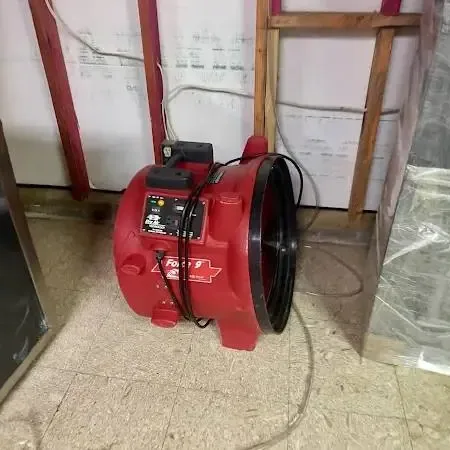
Alpharetta water damage experts at any hour
A dry-out comes down to two jobs: get the water out quickly, then dry the structure itself rather than the surface. An apartment over shops and a house near Big Creek get wet in very different ways.
How each dry-out here is runWhat a water damage dry-out looks like, step by step
Clean, gray and black water, each handled its own way
Category 1, clean water
Supply pipes, frozen lines and water heaters. Materials can often stay and dry if extraction starts before the water degrades.
Burst pipe drying in townCategory 2, gray water
Washing machines, dishwashers and condensate that sat in a pan. Soaked pad is normally discarded; framing usually stays.
Washer and ice maker leak helpCategory 3, black water
Sewage, drain backups and storm runoff. Anything porous it touched is discarded and hard surfaces get an EPA-registered antimicrobial.
Backup and drain cleanupAlpharetta, from Windward Parkway to Big Creek
Districts and corridors
Nearby cities
Why Alpharetta homes and offices take on water
The city gets rain on about 103 days a year, sees freezing nights each winter and has grown fast around Big Creek and the mixed-use districts downtown. Each of those shapes how water gets in.
Water, ground and housing
- Rain on about 103 days a year. NOAA data shows about 51.41 inches of precipitation a year over roughly 103 days, so roofs, gutters and grading get tested often; see roof leak water damage.
- Freezing winter nights. January lows average 29.6 degrees F and December and February lows sit near freezing. Pipes in attics, garages and exterior walls are the exposed ones, which is how burst pipe damage starts.
- Big Creek and the wetland. Big Creek runs along the greenway, with a preserved wetland between Haynes Bridge Road and Mansell Road. Ground near a creek takes runoff early in heavy rain.
Weather and the record
February, on average February is the wettest month at 5.08 inches on average, and January nights average a low of 29.6 degrees F, so wet weather and freezing nights overlap.
- Stacked and mixed-use buildings. City Center pairs 168 apartments with offices, shops and restaurants, so a leak in one space can show up in the ceiling of another.
- A fast-growing housing stock. The population went from 13,002 in 1990 to 65,818 at the 2020 census, which counted 26,089 housing units. More homes mean more hoses, tanks and drains that can fail.
Alpharetta water damage questions, answered
How fast can a restoration crew reach a home in town?
Water emergencies are dispatched day and night, weekends and holidays too, and running water is handled as urgent. Starting extraction early matters most, since clean water that sits can degrade into a Category 2 or 3 loss.
How can I tell if a leak is hidden somewhere in the house?
Fulton County suggests turning off all water and watching the leak indicator on the meter. If it still moves, close the main valve and check again: if it stops, the leak is inside the house.
Does homeowners insurance cover water damage in Georgia?
A sudden event such as a split pipe or a failed appliance is often covered once the deductible is met. Drain backup typically needs an endorsement and outside flooding needs flood coverage. Your own policy decides, so confirm it with your insurer.
Why do pipes freeze here when winters are mild?
January nights average a low of 29.6 degrees F. Pipes in attics, garages and outside walls sit beyond the heated rooms, so a single hard night can freeze and split them.
How long does a house take to dry out?
A small Class 1 or 2 loss is usually dry in three to five days. Slabs, hardwood and crawl spaces need longer, and muggy summer air slows the process. The fans stay until the meters hit the target.
What should I do before the crew gets there?
Shut the main or the fixture valve, kill breakers for wet rooms from a dry panel, stay out of water near outlets, take pictures and get rugs and boxes up off the floor.
What does IICRC S500 mean?
S500 is the restoration industry's written standard for water damage. It defines the water categories, how much drying equipment a space needs and how to prove dryness with measurements.
Which drywall has to be cut out?
Panels that wicked water past a couple of feet, stayed damp for days, bowed or met Category 3 water. Panels damp only along the bottom edge from clean water can often stay and be dried.
Why is a sewer backup treated differently?
Backup water counts as Category 3 from the start. Anything porous it soaked is discarded, the room is sealed off, and hard surfaces get an EPA-registered antimicrobial left on for the label's dwell time.
What sets the price of a water damage job?
Four things: the water category, how much floor area got wet, the material class and how soon drying started. All four show up on the itemized scope sent to your insurer.
Got a question that is not listed? A quick call usually sorts it out: where the water started, which category it is and which room should dry first.
(888) 532-4616Ask which room dries firstWater in your Alpharetta home or office? Start drying it tonight.
Extraction, structural drying and claim records from Windward Parkway to Big Creek, at any hour.