Water Damage Restoration Woodstock, GA
When a pipe splits, a heater fails or storm water gets inside a Woodstock home, the restoration team extracts the water, dries the structure to moisture readings and documents the loss for the insurer.
(888) 532-4616Talk to the drying team nowPipe, appliance, roof and sewage losses all get the same method, with moisture readings taken before any room is called dry.
What the restoration team handles
Fourteen kinds of water loss reach Woodstock homes and businesses, from a split supply hose to a sewage backup, and each one calls for a different drying plan.
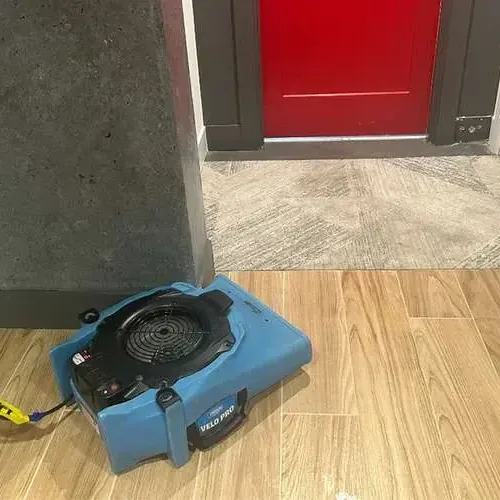
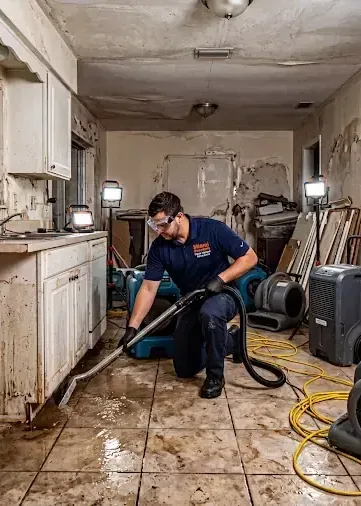 Water Extraction and RemovalPumps and wands pull standing water off floors and out of carpet before it wicks up the walls.See the service
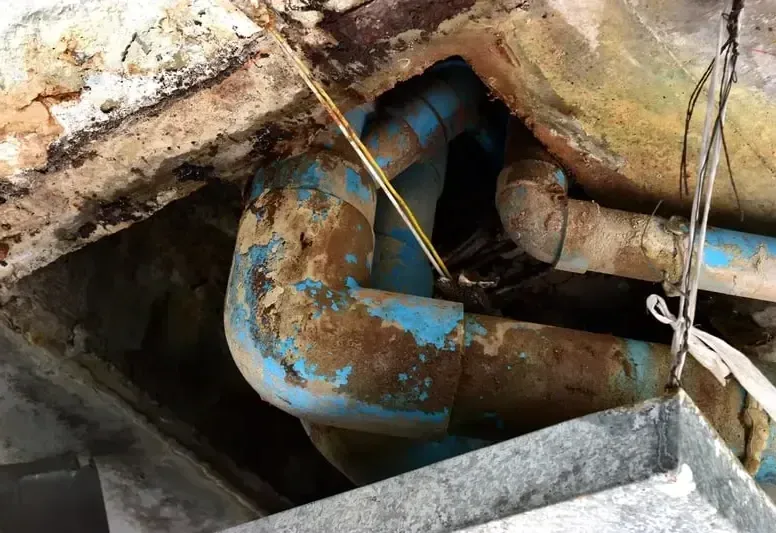 Burst Pipe Water DamageA split supply pipe soaks walls and floors fast, so shutoff and tracing come first.See the service
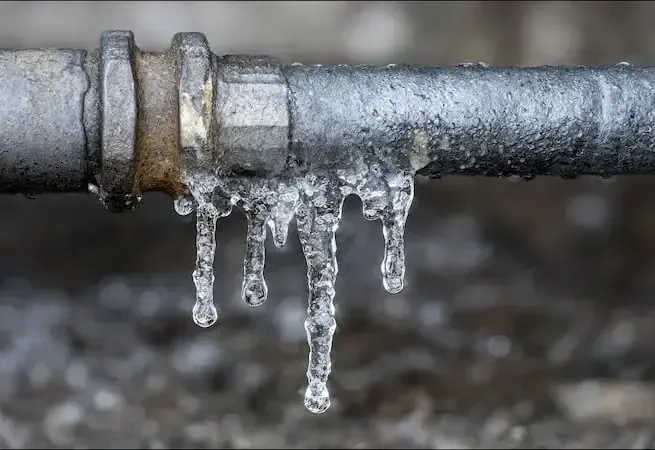 Frozen Pipe Water DamagePipes in exterior walls, attics and garages split in a hard freeze, and the water shows at the thaw.See the service
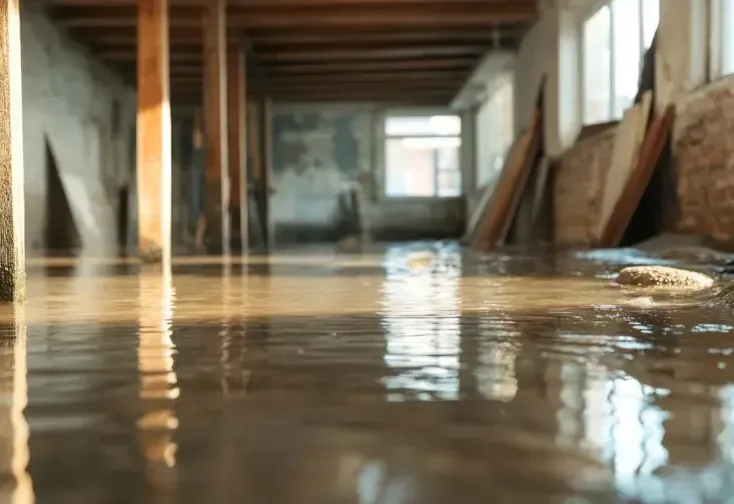 Basement Flooding CleanupLower levels are pumped out in stages, stripped of wet materials and dried to concrete and framing readings.See the service
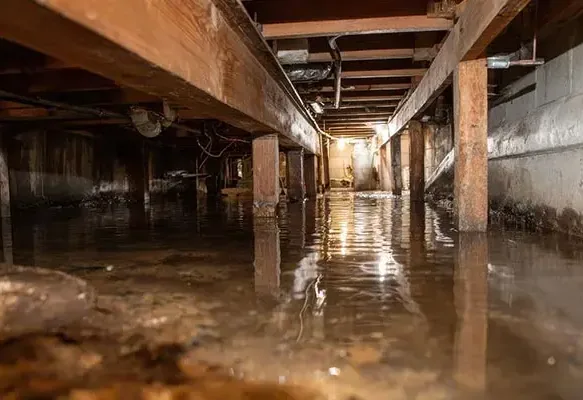 Crawl Space Water RemovalStanding water or damp insulation under a floor is removed, then the space is dried and rechecked.See the service
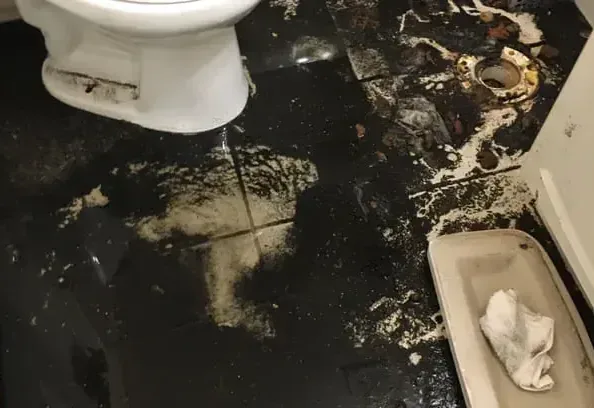 Sewage Backup CleanupContaminated water means protective gear, removal of porous materials and disinfecting, never a mop.See the service
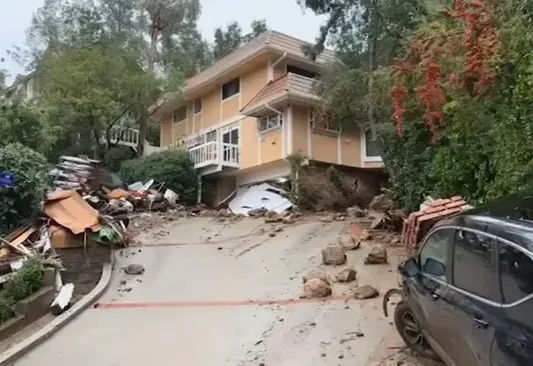 Storm and Creek Flood CleanupAfter a heavy storm, the crew extracts standing water and dries floors, walls and framing.See the service
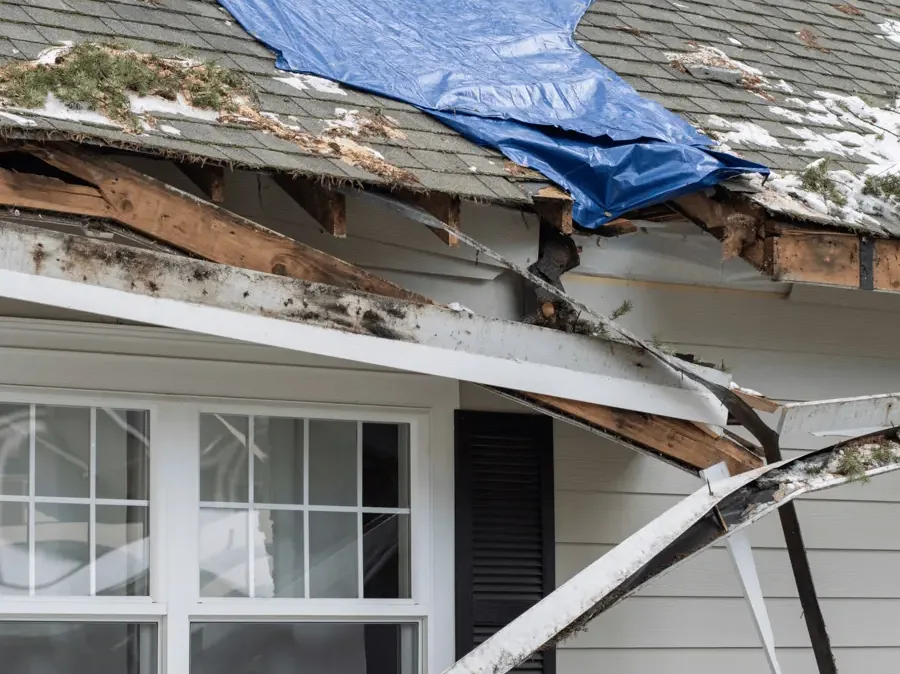
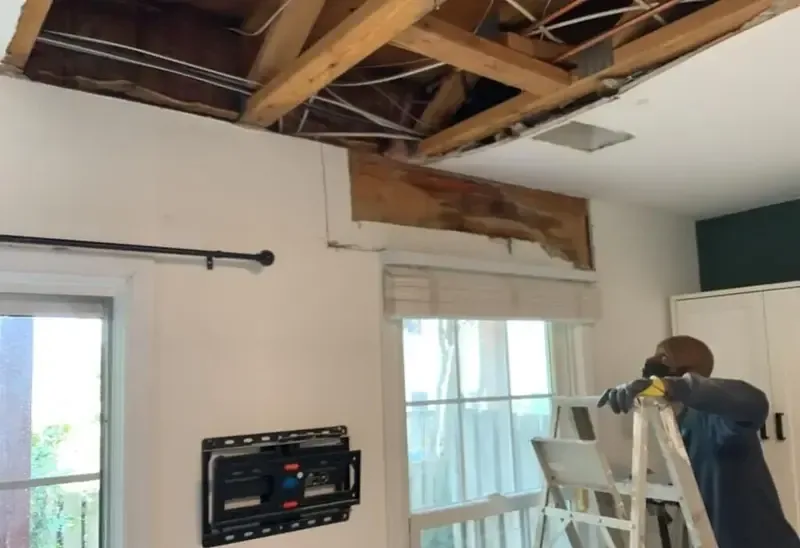 Roof Leak Water DamageWater from a roof leak is traced, extracted and dried; the roof repair itself belongs to a roofer.See the service
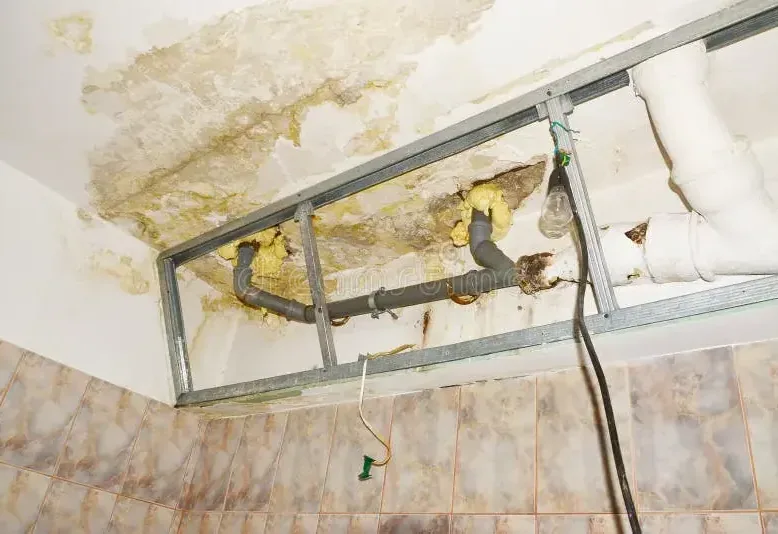 Ceiling Leak Water DamageA stained ceiling is traced to its roof, plumbing or AC drain source, then opened and dried.See the service
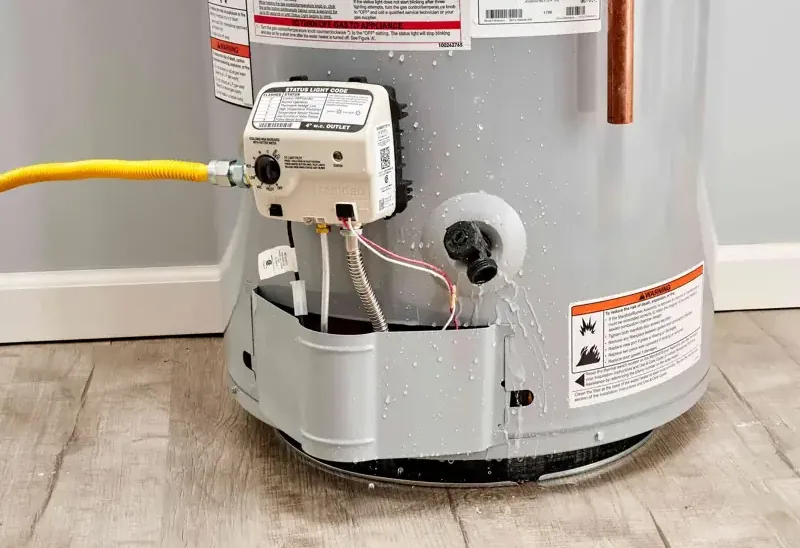 Water Heater Leak CleanupA failed tank can empty into a closet or garage, and the water is extracted and dried.See the service
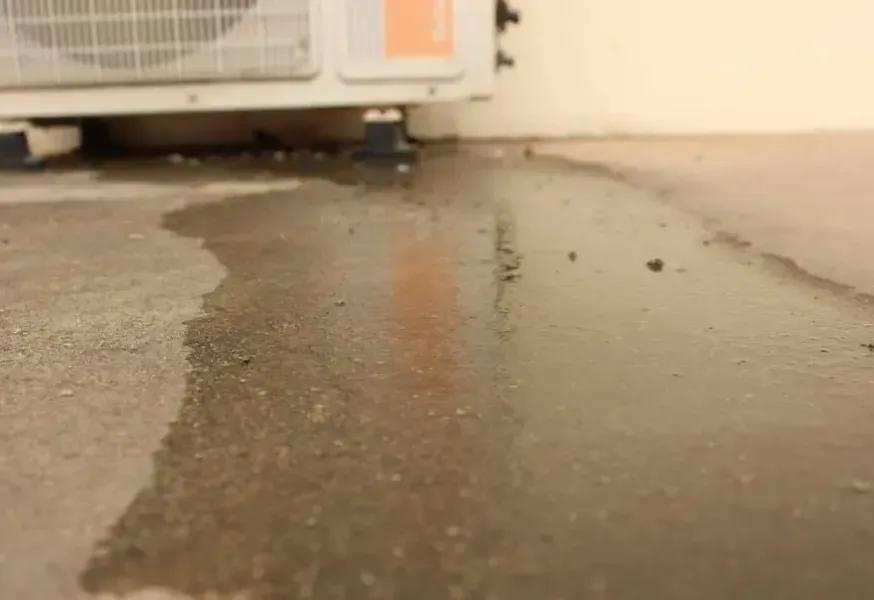 AC Condensate Leak Water DamageA clogged AC drain can soak a ceiling or wall, and the actual system is checked.See the service
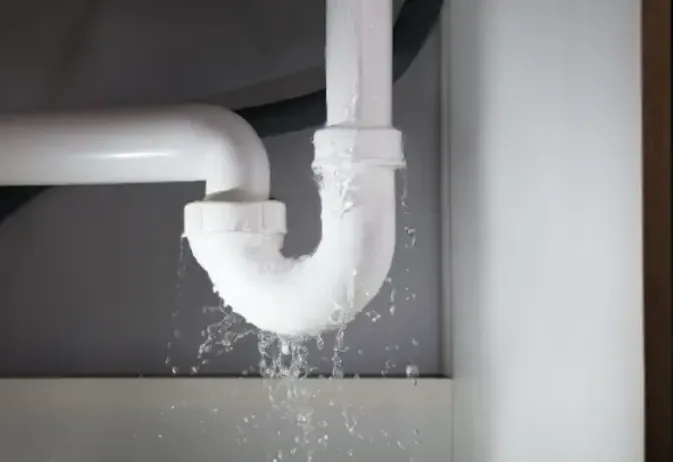 Appliance and Supply Hose LeaksFailed washer, dishwasher or refrigerator hoses spread water across kitchen and laundry floors.See the service
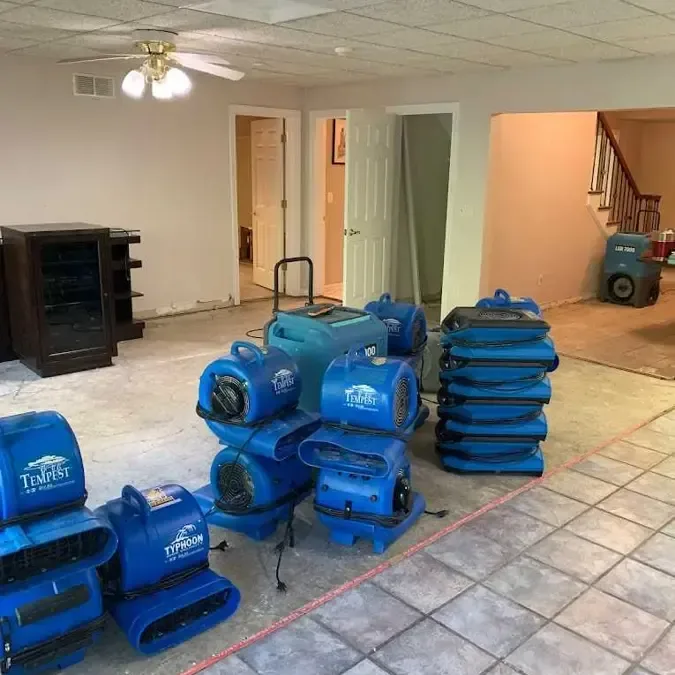 Structural Drying and DehumidificationAir movers and dehumidifiers run until wall and floor readings show dry, not for a set number of days.See the service
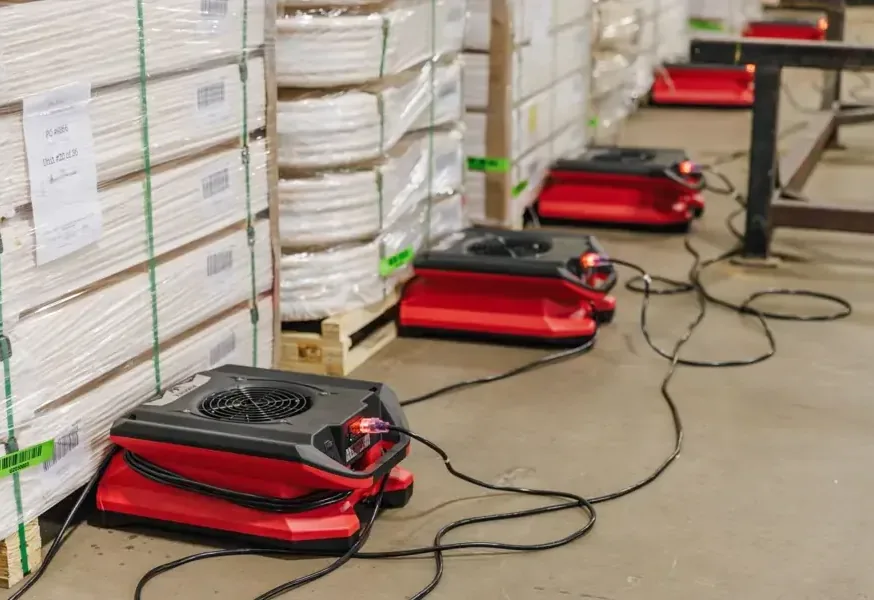 Commercial Water DamageShops and offices get fast water removal and moisture mapping to limit downtime.See the service
What to do right after water appears
- 1
Stop the water
Close the main shutoff valve, or the valve at the fixture, so the source stops adding to the damage.
- 2
Cut the power
If water reached outlets, cords or appliances, switch off that circuit at the panel before stepping into the room.
- 3
Photograph everything
Take wide and close photos of the wet areas and damaged belongings before anything is moved or thrown out.
- 4
Lift what you safely can
Move small items, rugs and cushions to dry ground and leave heavy furniture where it sits.
- 5
Call for help
Reach the drying team any hour. The sooner extraction starts, the less the water can soak into framing.
Four things every dry-out gets
Moisture mapping
Meters and thermal imaging show where water traveled, including cavities that look dry from the room.
Documented drying
Daily readings are logged so the insurer can see the loss, the work and the finish point on paper.
Plain scope talk
The crew explains what is wet, what is coming out and what stays, before the heavy work begins.
Water and sewage only
The scope stays on water and sewage losses, so the equipment and the method fit the job.
How a wet structure gets dried to spec
Drying follows a documented method: containment, extraction, equipment placement and daily moisture readings until framing, subfloor and drywall reach the dry standard set at the start of the job and logged in the file.
- MP 1
Contain and extract
Standing water comes out first, and affected rooms are separated so humid air does not travel through the rest of the home.
- MP 2
Set equipment
Air movers and dehumidifiers go where the meter readings call for them, not in one stock pattern for every room.
- MP 3
Check every day
Technicians return to read moisture in walls and floors, then move or remove equipment as the numbers drop.
- MP 4
Confirm the finish
A final set of readings shows each material at its dry goal, and the file is ready for the adjuster.
Working with your insurance company
Many homeowners policies respond to sudden, accidental water losses and exclude slow seepage and rising floodwater. Your adjuster applies the exact policy language, so read the coverage section early.
- Photos and video of every wet room and item
- Moisture logs and daily drying notes
- An itemized list of removed materials
- The invoice for emergency mitigation work
- The claim number and adjuster contact
What water damage cleanup usually costs
Most Woodstock jobs land between $1,200 and $14,000 or more, depending on how much water there is, how long it sat and what it touched. Clean water costs less than sewage or floodwater, and a written scope comes before any heavy work.
- Water from a supply pipe or hose
- One room or a small area
- Dried in place
- Water in a lower level
- Wet drywall cut back and removed
- Longer drying run
- Sewage or outside water
- Whole floor affected
- Contents and flooring removed
A cost calculator gives a rough figure, and a real quote follows a look at the wet materials. Insurance may pay for a sudden loss, so ask your carrier before work starts.
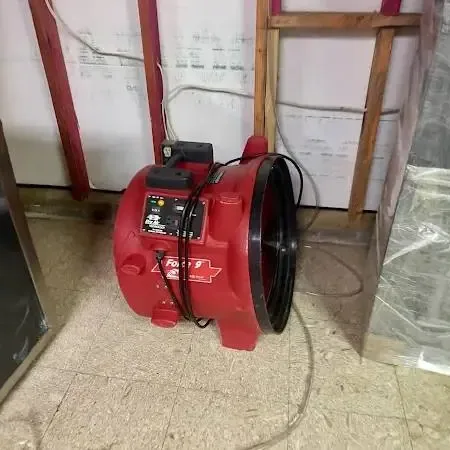
Measured drying, not guesswork
Water damage restoration only works when the crew finds all of the water. The restoration team maps moisture through floors and walls, removes what cannot be saved and keeps equipment running until readings return to normal.
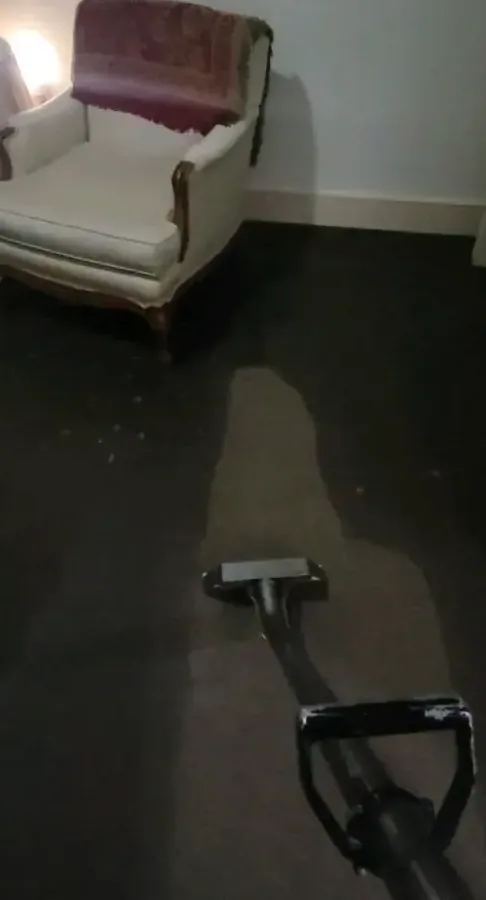
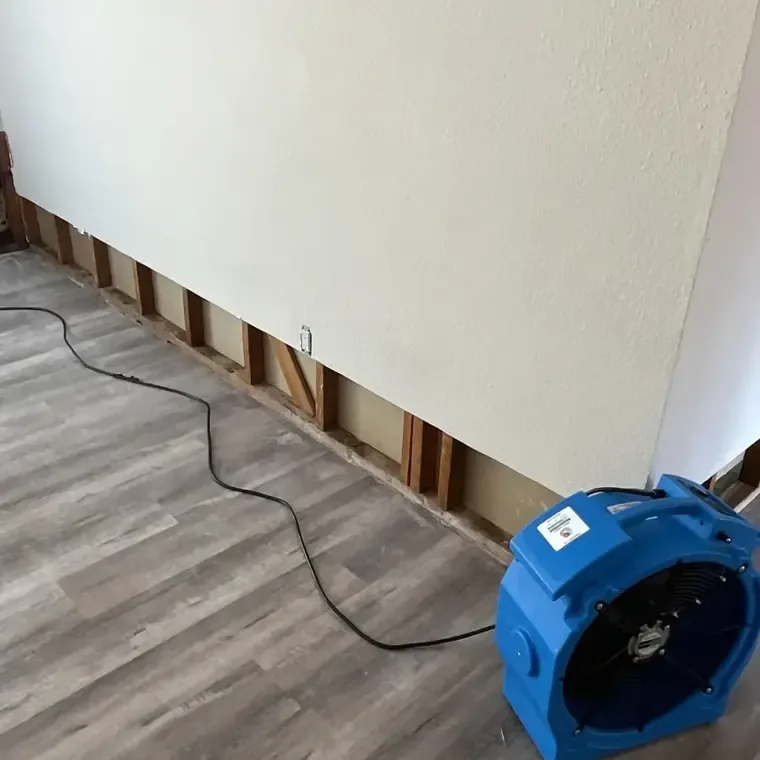
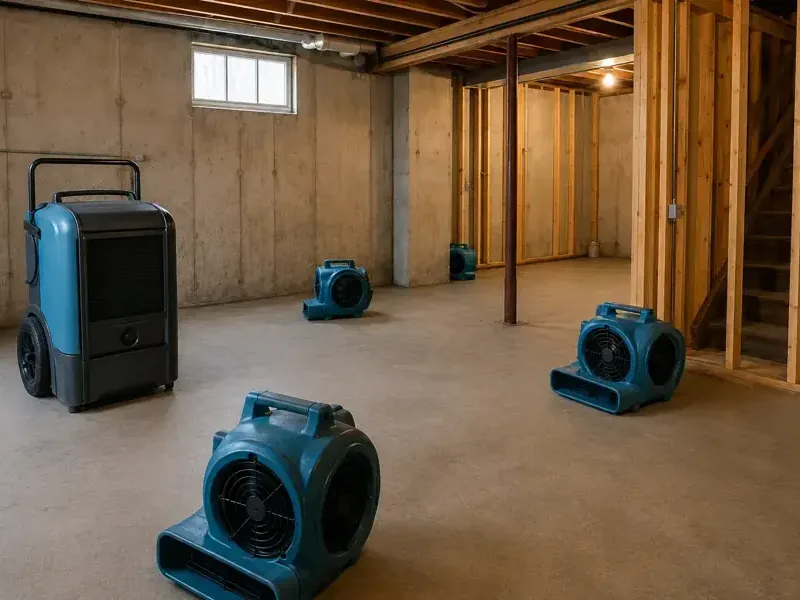
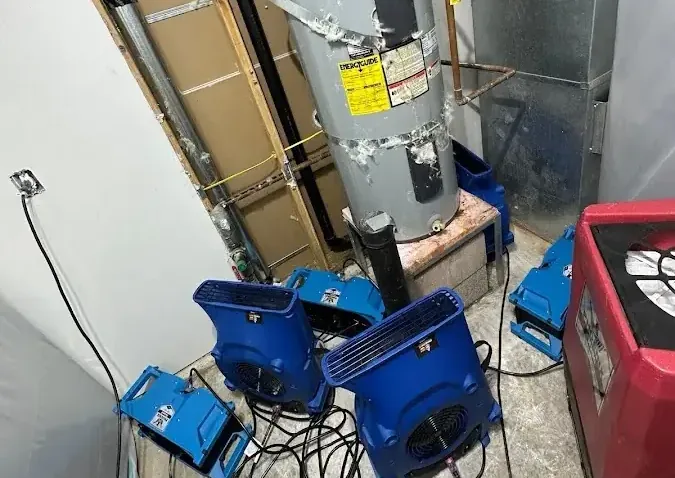
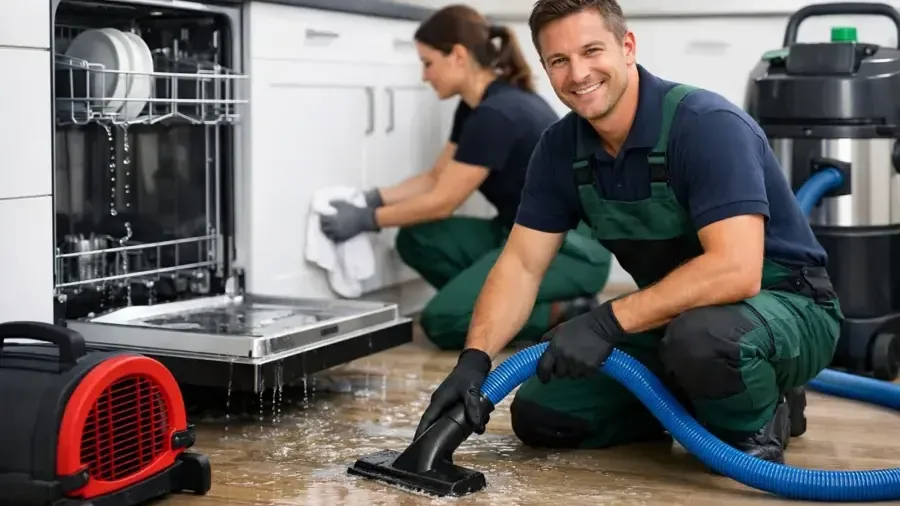
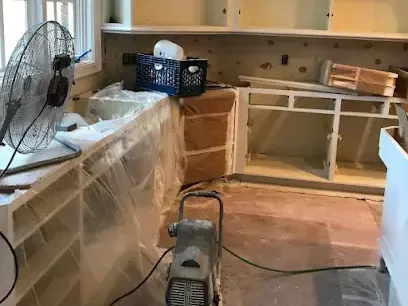
How each dry-out here is runEquipment and methods used on a typical water loss
Where the water usually comes from
Plumbing failures
Supply pipes, hoses and valves fail behind walls and under floors, and the water often spreads before anyone sees a stain.
Burst pipe water damageAppliance leaks
Dishwashers, washers and refrigerator supply hoses release water slowly or all at once across kitchen and laundry floors.
Appliance and supply hose leaksSewage backups
Contaminated water needs protective gear, removal of porous materials and disinfecting, not a mop and a bucket of bleach.
Sewage backup cleanupWater damage coverage across Woodstock
Neighborhoods and corridors
Nearby towns
What shapes water damage around Woodstock
Woodstock grew from 10,050 residents in 2000 to 35,065 in 2020, so its housing stock spans several decades. Age, plumbing parts and heavy rain each shape the water problems that reach a home.
Water, ground and housing
- Older communities. Recent sales in a 2026 real-estate report show median build years in the 1970s for Kingsridge Estates and Hill Crest, where aging hoses, valves and water heaters are worth checking.
- New construction. Havencroft, Forrest Crossing and Cooks Farm show 2025 median build years in the same report, and newer homes still see failed fittings, appliance hoses and AC drain overflows.
- Creeks and heavy rain. Woodstock has named waterways including the Little River, Noonday Creek and Kellogg Creek, and USGS tracks Rubes Creek, so hard storms are a fair reason to check lower levels for water.
Weather and the record
2007 Woodstock ranked as the tenth fastest-growing suburb in the United States in 2007, and its population reached 23,896 by 2010, so homes of many different ages now sit side by side.
- Meter and pipe limits. The Cherokee County Water and Sewerage Authority says its mains run up to and including the meter, and that leaks between the meter and the building, or inside a home, are not its responsibility.
- Hidden leaks. CCWSA suggests a simple test: note the meter with no water running and the icemaker off, wait 2 hours, and read it again. Any change may mean a leak.
Questions homeowners ask
How fast should water be removed after a leak?
As soon as the source is stopped. Standing water soaks into drywall, subfloor and framing, and materials left wet for 24 to 48 hours become candidates for mold, so extraction should not wait.
Does homeowners insurance cover water damage in Woodstock?
Often for sudden events like a burst pipe or failed appliance hose, and usually not for slow seepage, neglect or flood. The policy wording decides, so the adjuster's answer is the one that counts.
How much does restoration cost?
Clean-water leaks in one room are the low end, from $1,200 to $3,500, and sewage or whole-floor losses run to $14,000 or more. The scope of wet materials sets the final number.
Is a sewage backup different from a clean water leak?
Yes. Sewage is Category 3 water carrying bacteria, so porous materials such as carpet and drywall usually come out, and the area is cleaned and disinfected with protective gear.
Who handles a leak between the water meter and the house?
The Cherokee County Water and Sewerage Authority says it is not responsible for the pipe between the meter and the home or for private plumbing. A plumber repairs the pipe, and the restoration team handles the water already released.
Can a slow leak be found without tearing out walls?
Often. Moisture meters and thermal imaging show wet areas without demolition, and the two hour meter test helps confirm a leak inside the property when nothing is visibly running.
Should the power be shut off when water is on the floor?
Yes, if water has reached outlets, cords or appliances, switch off that circuit at the panel first. If the panel itself is wet, stay out and call an electrician.
How long does drying take?
Drying follows moisture readings, not a calendar. Many clean-water jobs run several days, and the equipment stays until walls, floors and framing read dry.
Do new homes in places like Chastain Heights still get water damage?
Yes. Water finds a way into any home, and failed supply hoses, water heaters, AC drain pans and roof leaks do not depend on age. New construction can also hide water behind finished walls.
Can the crew work on a business or rental property?
Yes. Commercial losses use the same extraction and drying method on a larger scale, with moisture mapping to limit downtime. Tenants and owners should check who is responsible for the loss before work begins.
Not sure what to do next? Describe what you see and the restoration team will explain the safest next step, whether that is shutting off water, cutting power or starting extraction.
(888) 532-4616Talk through your situationWater in the house? Get the drying plan started.
Call any hour and the crew will explain the first steps for your water loss.