Dry inside the walls, not just on them

Structural Drying and Dehumidification in Peachtree Corners, GA

Structural drying removes the water that soaked into framing, subfloor, drywall and concrete. The drying team sets equipment by the moisture map, logs readings every day and runs it all 24/7 until the materials read dry.

(888) 532-4616Walls still damp after the cleanup? Dry them right
24/7 drying setup LGR and desiccant dehumidifiers Daily psychrometric logs
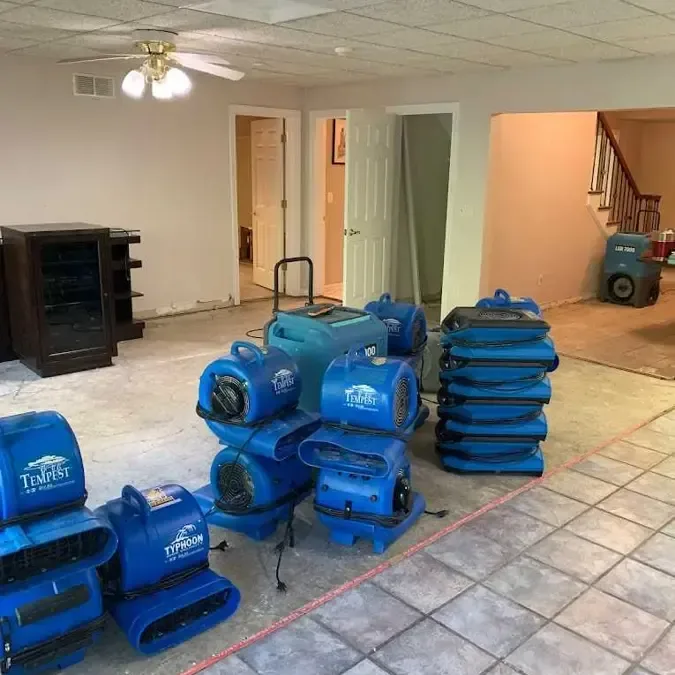
Blue air movers and dehumidifiers stacked on a tile floor, ready for structural drying
StandardIICRC S500
Drying goal2 to 4 points of a dry reference
Typical time3 to 7 days
ProofDaily readings and logs
Right now

First steps for structural drying and dehumidification in Peachtree Corners

  1. 1

    Keep the doors and windows shut

    Humid outside air works against the dehumidifiers.

  2. 2

    Leave the equipment running

    Turning it off at night adds days to the dry-out.

  3. 3

    Keep the air conditioning on

    Cooling also removes moisture from the air.

  4. 4

    Do not repaint or rebuild early

    Sealing a wet wall traps the water inside.

How the work is held to standard

How structural drying and dehumidification is handled in Peachtree Corners

Dispatch at any hour

Active water is treated as urgent around the clock, nights, weekends and holidays included, because a split pipe keeps running.

IICRC S500 structural drying

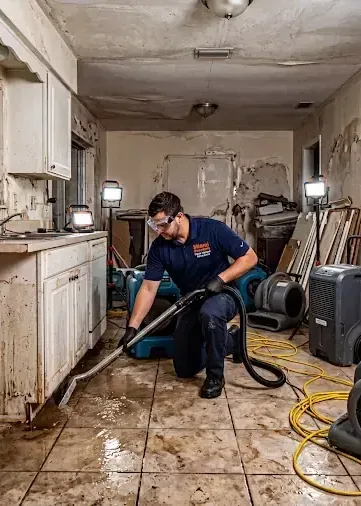
The drying team dries framing, subfloor and concrete, not only the surface, and checks every wet material with meters each day.

A claim-ready file

Moisture maps, daily psychrometric logs and timestamped photos taken before demolition go into the file your insurer reviews.

Basements, crawl spaces, attics

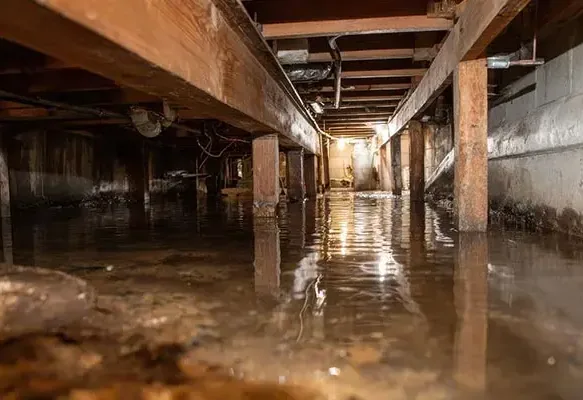
A finished lower level, a dirt crawl space and an attic air handler each dry differently, so the plan starts where the water went.

Typical cost ranges

What does structural drying and dehumidification cost in Peachtree Corners, GA?

Structural drying here typically runs $1,500 to $16,000 or more, often inside a larger restoration job. One or two rooms of Class 1 or 2 drying sit at the low end; a whole floor of Class 4 materials such as hardwood, plaster and concrete sits at the high end.

One or two rooms$1,500 to $4,000
  • Class 1 or 2 loss
  • Air movers and LGR units
  • Daily readings
Several rooms or a level$4,000 to $9,000
  • Class 2 or 3 loss
  • Cavity and subfloor drying
  • Psychrometric logs
Whole floor, Class 4$9,000 to $16,000+
  • Hardwood, plaster, concrete
  • Desiccant and mat systems
  • Extended monitoring

Ranges are typical, not a quote: the water category, the square footage that got wet, the material class and how fast drying started move the number most. For a closer planning range, run the water damage cost calculator.

The dry-out, milepost by milepost

The structural drying and dehumidification process, start to dry

Equipment stays until the readings say dry, not until the room looks dry.

  1. MP 1

    Map

    Wet materials found and marked.

  2. MP 2

    Set

    Air movers and dehumidifiers placed by class.

  3. MP 3

    Log

    Readings recorded every day.

  4. MP 4

    Verify

    Equipment out when readings match dry.

Class of loss sets the equipment

IICRC S500 groups losses into Class 1 to 4 by how much water the materials absorbed. Class 1 is a small area with little absorption; Class 4 is hardwood, plaster or concrete holding water deep inside. The class sets how many air movers and how much dehumidification each room needs.

Working against humid air

Summer air here is humid, which slows evaporation. The drying team closes the house up and lets LGR dehumidifiers pull moisture out of the air faster than it comes in. Dense materials and cool lower levels sometimes get a desiccant dehumidifier, which works well in cooler, wetter conditions.

When it is actually dry

Every day, wet materials are checked against a dry reference in the same house, and temperature and humidity are logged. Equipment comes out when the readings fall within 2 to 4 points of the reference. The EPA explains why indoor humidity matters, and OSHA covers safety during water cleanup.
Questions

Structural Drying and Dehumidification questions in Peachtree Corners, GA

What is structural drying?

It is drying the building itself, framing, subfloor, drywall and concrete, not just the surfaces. It follows the IICRC S500 standard and is proven with moisture readings.

How do you know when a wall is dry?

Readings from the wet wall are compared with a dry reference in an unaffected part of the same house. Drying is done when they fall within 2 to 4 points.

Why not just open windows and run fans?

On a humid day, open windows bring in more moisture than fans remove. Closed rooms with dehumidifiers dry faster and more evenly.

How long does structural drying take?

Usually three to seven days. Hardwood, plaster, concrete and crawl spaces take longer, and the readings, not the calendar, decide.

What is the difference between LGR and desiccant dehumidifiers?

LGR units are refrigerant dehumidifiers built to pull water from already dry air. Desiccant units use a moisture-absorbing wheel and work well in cool spaces and dense materials.

Can drying start before insurance approves the claim?

Mitigation, meaning extraction and drying, should start right away to limit damage; insurers expect it. The daily logs document why each step was needed.

Still not sure what is wet? Cleanup done but the baseboards still feel cool? That is water still inside the wall.

(888) 532-4616Test the walls against a dry reading
Service area

Structural drying and dehumidification across Peachtree Corners and the river cities

Peachtree Corners, GA service area

The restoration crew covers ZIP 30092 and the whole city, from Peachtree Station, Chattahoochee Station and Spalding Corners to Technology Park Atlanta, Town Center and the homes off Medlock Bridge Road and Spalding Drive.

The same crews work Norcross, Berkeley Lake, Duluth, Dunwoody, Sandy Springs, Johns Creek, Roswell and Alpharetta.

Every neighborhood and nearby city covered

Emergency water removal

Building still wet inside? Finish the dry-out right.

Hidden moisture in framing and subfloor keeps damage going. The drying team sets equipment and logs readings 24/7.

(888) 532-4616Set up LGR dehumidifiers today
(888) 532-4616 water still spreading?