How water gets under the house
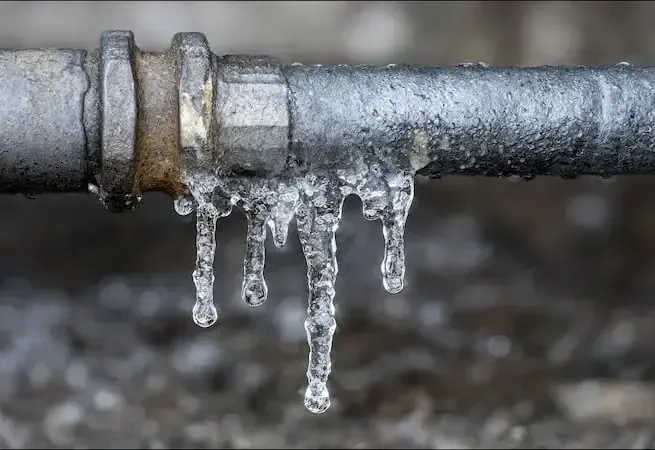
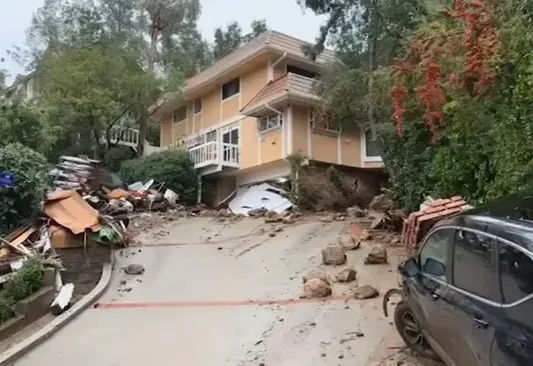
A split supply pipe or a leaking drain under a bathroom drops water straight onto the vapor barrier. Heavy rain on a sloped lot can run toward the foundation and seep in through vents and block walls. A failed condensate drain from an air handler in the crawl space adds water every day the air conditioning runs.
Signs from the rooms above
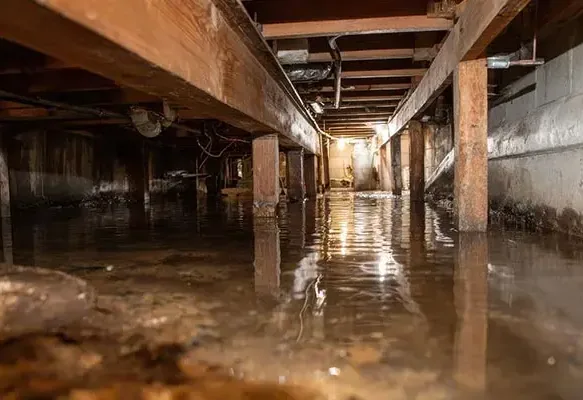
Soft or cupping wood floors, a musty smell in the house, condensation on ductwork and higher indoor humidity all point below. The crew checks with a light, a meter and a thermal camera, and photographs the water level before anything is moved.
Removal and drying below the floor
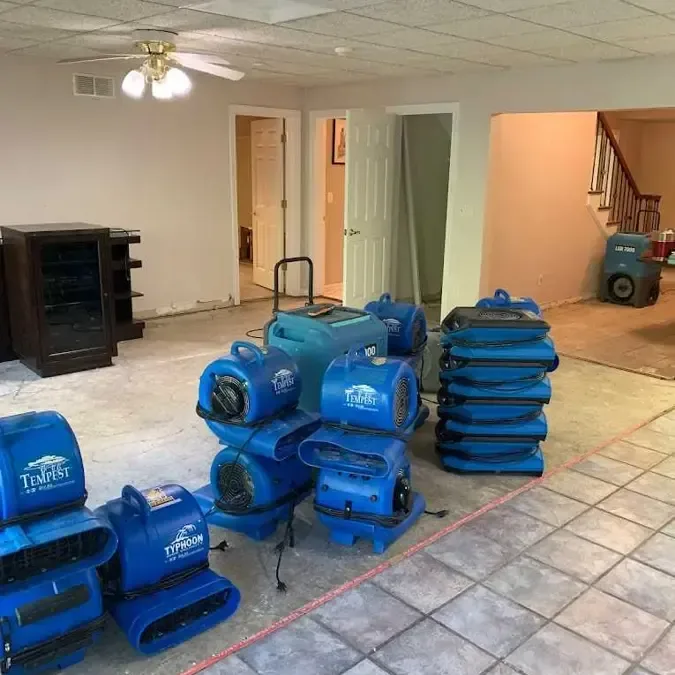
Standing water is pumped out, soaked insulation is pulled and bagged, and a torn or flooded vapor barrier is removed. A dehumidifier sized to the space and air movers aimed along the joist bays dry the framing. Mold can begin within 24 to 48 hours on wet wood, so speed matters. For insulation and air sealing basics, see Energy Saver; for indoor air basics, the EPA indoor air quality page.